
 EN
EN
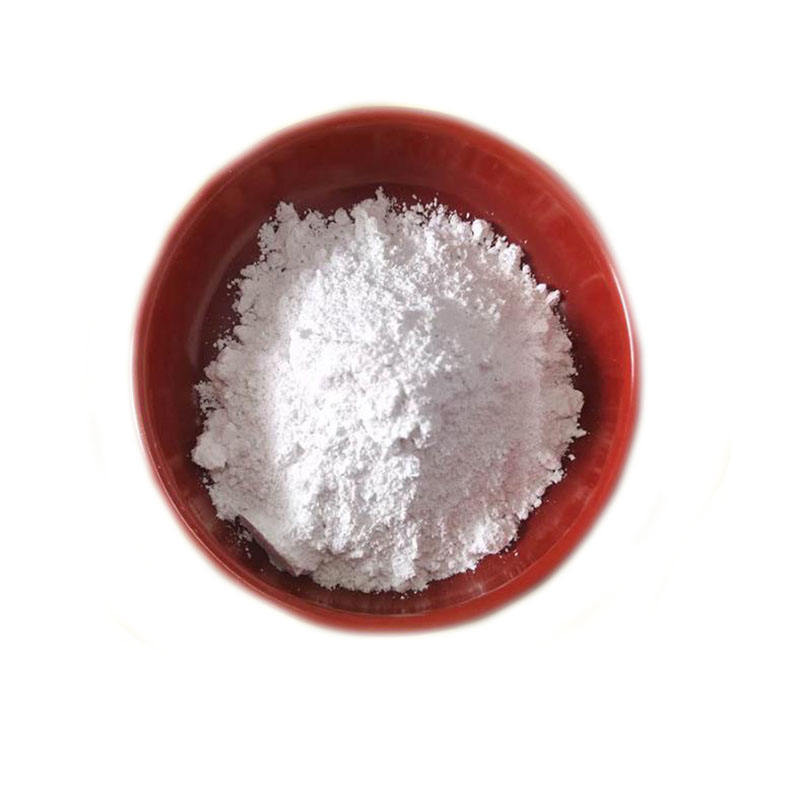
Unique Physical & Chemical Base Properties Make calcium carbonate Versatile Filler Carrier
Shijiazhuang Yandong Mineral Products Co., Ltd has accumulated more than 20 years of integrated mineral mining, processing and export experience, with an annual total mineral output of 300,000 tons. Our factory develops complete series of ground calcium carbonate and precipitated calcium carbonate products, covering GCC heavy calcium carbonate and P lightweight calcium carbonate with full surface modification treatment, supplying industrial clients across over 65 countries. We once undertook a long-term bulk order with a European plastic profile manufacturer, which fully proves the universal material advantages of calcium carbonate as core filler. This enterprise previously tested three alternative inorganic fillers including talc powder and kaolin to cut raw material expenditure, yet all trial batches exposed obvious defects: talc led to poor plastic melt fluidity while kaolin raised production costs significantly. After switching our graded calcium carbonate filler matched to PVC extrusion formulas, the brand reduced comprehensive raw material cost by 21% while maintaining standard tensile strength and surface smoothness of finished profiles.
Global inorganic mineral material researchers and ISO standard formulation specialists point out three irreplaceable inherent merits of calcium carbonate that support its wide filling application. First, stable neutral pH value and chemical inertness ensure calcium carbonate does not trigger acid-base reaction with resin, coating emulsion or ceramic slurry under normal processing temperature, avoiding product discoloration and performance attenuation. Second, moderate hardness and uniform particle grading of calcium can be precisely adjusted via our factory’s multi-stage crushing and precipitation workshops, matching thin film extrusion, thick wall plastic molding and architectural mortar filling separately. Third, abundant natural calcite raw material resources lower unit production cost of calcium carbonate compared with high-purity special inorganic fillers such as silicon powder or mica powder. Our full production line of calcium carbonate strictly controls heavy metal impurity content following HG/T 2226 industrial standards, with calcium carbonate main component content stably above 98.5%, laying uniform performance foundation for cross-industry filling scenarios.
Graded Particle & Surface Modification Tailor calcium carbonate For Separate Industrial Filling Scenarios
The expandable adaptability of calcium carbonate mainly relies on adjustable particle fineness and customized surface coating treatment, which our factory optimizes according to targeted industry filling demands. We divide calcium carbonate products into coarse ground calcium carbonate for construction mortar, medium 800–1500 mesh calcium carbonate for general plastic parts, ultra-fine 3000–6000 mesh precipitated calcium carbonate for high-gloss coatings and nano calcium carbonate for sealant formulas. A Southeast architectural coating factory cooperation case clearly reflects the value of differentiated calcium carbonate grading. The client used single 1250-mesh calcium carbonate for both exterior wall paint and interior putty in early trial production, resulting in high oil absorption value and matte coating surface. Our technical team recommended two separate calcium carbonate specifications: low oil absorption heavy calcium carbonate for interior putty to save emulsion dosage, and modified precipitated calcium carbonate with low specific surface area for outdoor weather-resistant paint, upgrading coating gloss and anti-aging property at the same time.
Industry mineral processing technical documents and ISO 18473 nano filler specifications clarify that unmodified raw calcium carbonate has poor compatibility with organic resin, which will cause particle agglomeration and tiny surface cracks on finished goods. Our production line equips independent surface modification workshops, applying stearic acid and composite coupling agent coating on calcium carbonate surface as required by clients. Coated calcium carbonate forms stable binding force with polymer molecules during high-temperature plasticizing, greatly improving dispersity compared with unprocessed calcium carbonate filler. For ceramic blank filling, low-whiteness coarse calcium carbonate with low sinter shrinkage is selected; for high-end toy plastic injection molding, high-whiteness nano calcium carbonate is customized to guarantee bright product appearance. Targeted grading and surface treatment turn unified calcium carbonate raw mineral into multi-functional exclusive filler for every industrial track.
Cost Balancing Mechanism Drives Mass Adoption Of calcium carbonate In Mass Production
Cost control remains the most direct factor pushing global manufacturers to select calcium carbonate as primary filler, and our factory’s large-scale 300,000-ton annual production capacity stabilizes unit price of calcium carbonate for long-term cooperative brands. A domestic integrated PVC pipe enterprise’s annual framework order fully demonstrates the economic advantages of calcium carbonate filling solutions. The production team compared raw material budgets between pure resin formula and calcium compound filling formula: adding 42% standardized calcium carbonate filler qualified by our factory reduced total pipe raw material expenditure by nearly one quarter, while finished ring stiffness and anti-aging index still met national plastic pipeline testing standards. Many small mineral suppliers supply low-purity calcium carbonate mixed with impurity rock powder at cheap quotations, leading to frequent finished product scrapping; our calcium carbonate undergoes three-stage ore sorting before crushing, strictly controlling iron oxide, magnesium salt and insoluble residue content to cut post-production waste loss for clients.
Cross-border supply chain cost analysts specializing in chemical raw materials release comparative data showing that qualified calcium carbonate filler has 30%–55% lower unit cost than talcum powder, barium sulfate and alumina fillers of the same fineness grade. Meanwhile, reasonable addition of calcium carbonate can enhance dimensional stability of plastic and coating semi-finished products, lowering reject rate caused by thermal shrinkage deformation during cooling molding. Our sales technicians provide filling proportion simulation calculation free for every new client according to product processing technology, recommending the optimal calcium carbonate mixing ratio without sacrificing mechanical performance. Mass manufacturers of plastic, paint and construction materials can realize dual benefits of raw material cost reduction and finished product yield improvement by reasonably deploying calcium carbonate filler, explaining why calcium carbonate occupies the largest market share among general inorganic fillers.
Performance Enhancement Effects Of calcium Carbonate Filler On End Products
Apart from cost advantages, properly blended calcium carbonate filler brings multiple tangible performance upgrades to finished industrial goods, verified by thousands of client test reports accumulated by our factory. For plastic manufacturing, medium and ultra-fine calcium carbonate evenly distributed inside resin matrix improves tensile resistance, abrasion resistance and thermal deformation temperature of finished pieces. A kitchen appliance plastic shell brand adopted our coated calcium carbonate filler in ABS composite material, and third-party lab tests showed product scratch resistance index rose by 36% compared with zero-filler blank samples. In architectural coating production, calcium carbonate adjusts system viscosity and hiding power, reducing titanium dioxide consumption without weakening covering capacity on wall base layers. In ceramic body production, calcium carbonate releases carbon dioxide during high-temperature firing to form uniform tiny pores inside blanks, lowering kiln cracking rate and improving finished ceramic whiteness.
ASTM concrete filling specifications and domestic building material testing standards confirm that calcium carbonate also serves ideal auxiliary filler for cement mortar and waterproof coatings, optimizing construction workability while reducing mortar shrinkage cracking risks. Our technical laboratory completes contrast experiments of filled vs unfilled samples for all calcium carbonate series before delivery, recording mechanical strength, gloss retention, weather resistance and other comparative data and delivering full test reports to clients. Many factory operators mistakenly over-add cheap unqualified calcium carbonate to pursue higher cost savings, resulting in brittle plastic parts and easily peeled paint films. Our customized calcium carbonate matching scheme balances filling proportion and product performance, letting manufacturers gain both economic benefit and stable finished quality, which consolidates long-term recognition of calcium carbonate filler across all industrial fields.
Full-Service Supporting System Boost Stable Long-Term calcium Carbonate Filler Cooperation
Sustainable supply and one-stop technical matching service make our calcium carbonate filler continuously favored by global industrial purchasers. As a mineral enterprise with 20 years mining and processing foundation, we own complete raw ore reserves, independent crushing, precipitation and modification production lines, capable of flexible adjustment of calcium carbonate monthly output according to client seasonal order fluctuations. A cross-border paint chain brand with scattered production bases across three continents signed multi-year calcium carbonate supply contracts with our factory, relying on our multi-specification calcium carbonate inventory reserve to realize split small-batch delivery without high minimum order pressure. Whenever the brand develops new coating formulas, our R&D team adjusts calcium carbonate fineness and surface coating index free of charge to match new emulsion systems, without extra sample development fees.
International inorganic raw material procurement consultants remind industrial buyers to prioritize mineral manufacturers with full-process quality control rather than middlemen trading mixed calcium carbonate products. Our factory implements complete IQC ore inspection, IP production process monitoring and FQC finished powder testing for every batch of calcium carbonate, recording whiteness, particle size distribution, oil absorption value and heavy metal content data for full traceability. We provide free filling formula simulation, sample delivery and third-party inspection coordination for all clients purchasing calcium carbonate in bulk. All calcium carbonate product technical archives, test reports and grading parameter sheets are permanently filed, supporting annual factory audit and project acceptance at any time. Integrated stable supply, customized technical tuning and standardized quality tracing services eliminate all procurement risks of calcium carbonate filler for global manufacturing enterprises, further expanding the universal application scope of calcium carbonate in filling industries.
Table of Contents
- Unique Physical & Chemical Base Properties Make calcium carbonate Versatile Filler Carrier
- Graded Particle & Surface Modification Tailor calcium carbonate For Separate Industrial Filling Scenarios
- Cost Balancing Mechanism Drives Mass Adoption Of calcium carbonate In Mass Production
- Performance Enhancement Effects Of calcium Carbonate Filler On End Products
- Full-Service Supporting System Boost Stable Long-Term calcium Carbonate Filler Cooperation