 EN

Fly Ash for Cement, Concrete and Building Material Applications
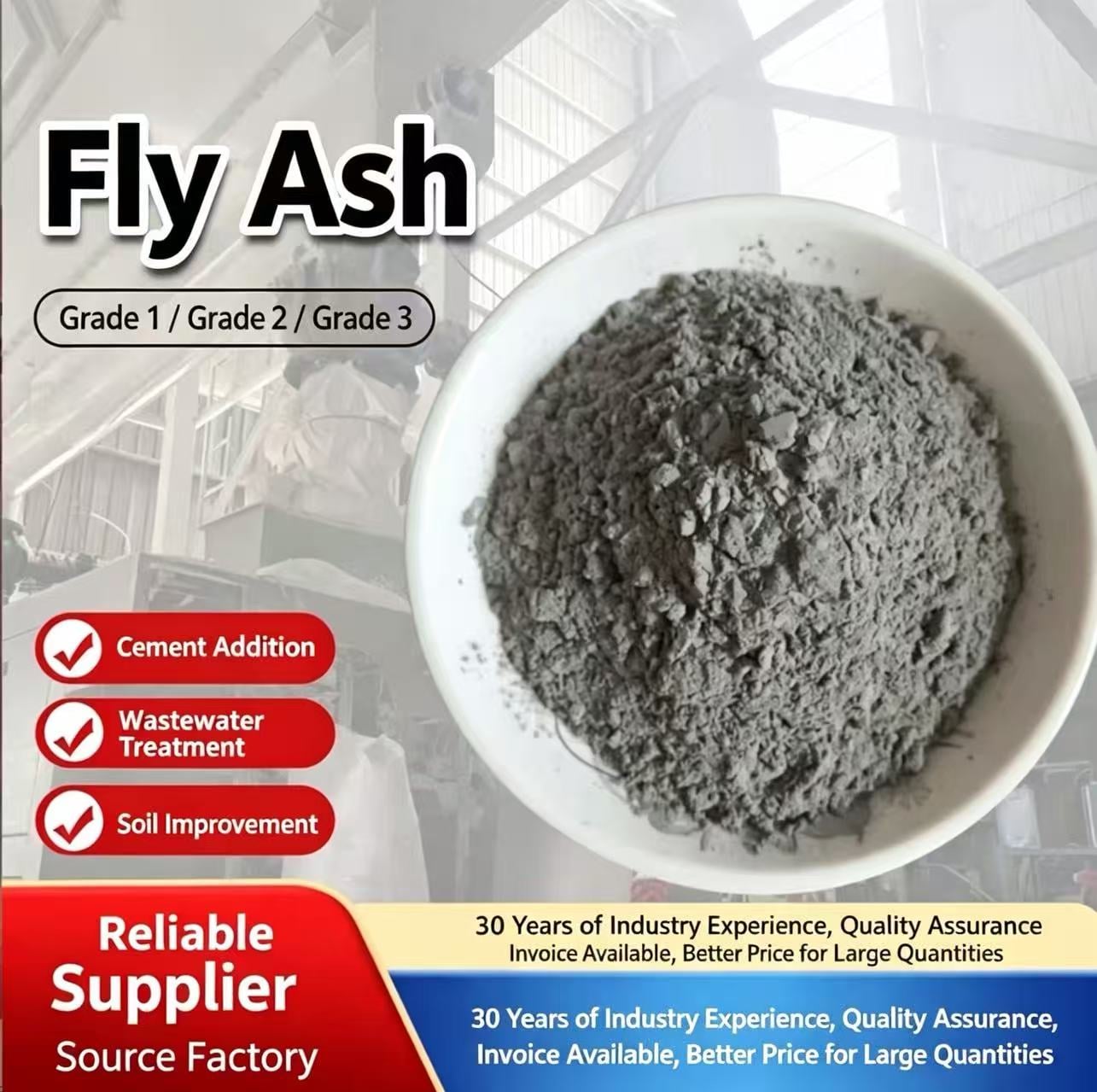
Fly Ash is a fine powder material collected and processed from coal-fired power plants. It mainly contains silica, alumina, and other mineral components. Featuring fine particles and good blending properties, suitable grades of Fly Ash can be used in cement production, concrete manufacturing, precast products, dry mortar, road construction, and building materials. Available in different grades and fineness levels, with bag, jumbo bag, and bulk packaging options.
- Overview
- Recommended Products
Product Introduction
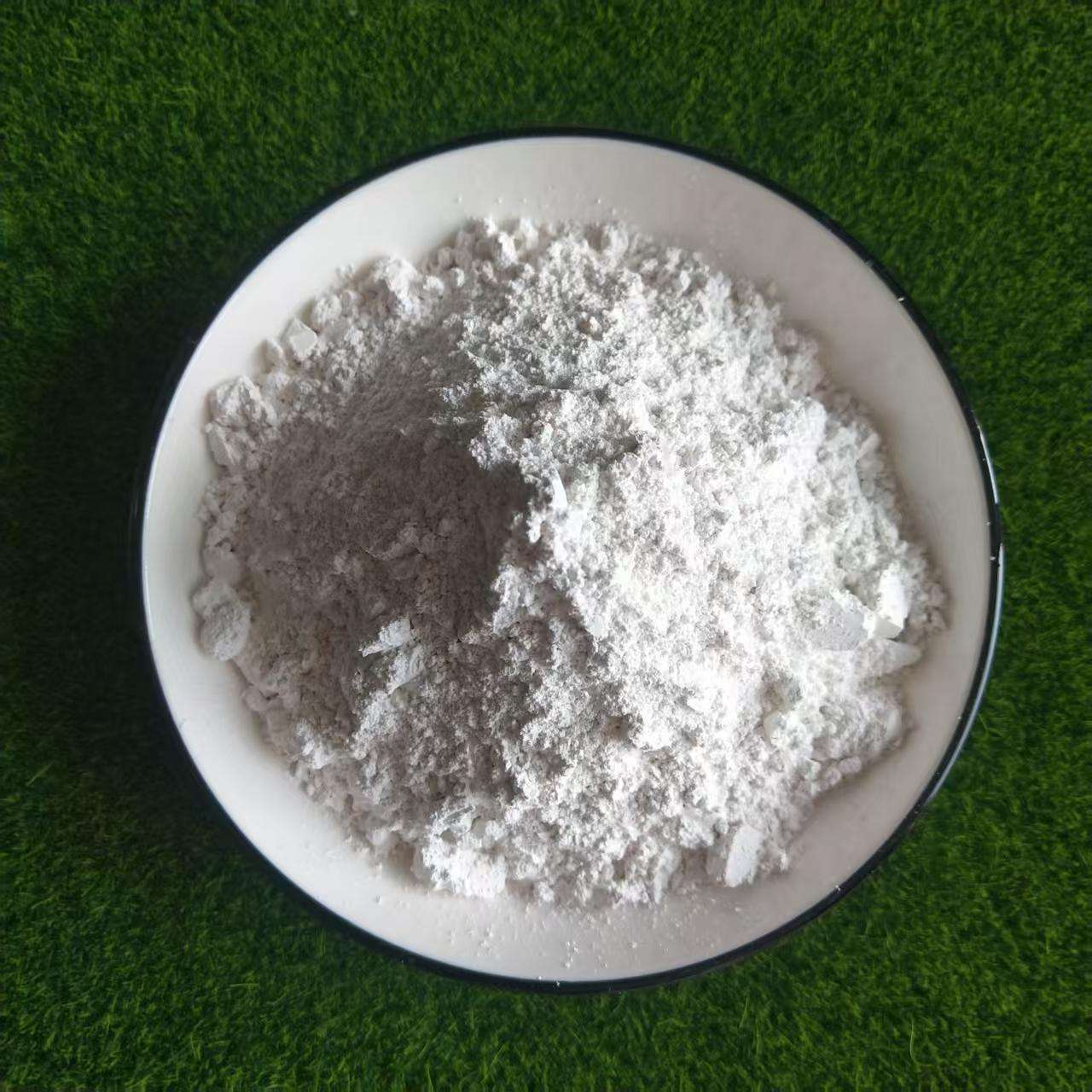
Fly Ash is a fine powder material collected from the flue gas of coal-fired power plants. It is a widely used industrial by-product in the construction and building materials industries. Fly Ash is generally available as a gray or light gray powder with fine particles and good blending characteristics. It is commonly used as a supplementary cementitious material in cement production, concrete manufacturing, mortar production, and other construction-related applications.
The chemical composition of Fly Ash generally includes silica (SiO2), alumina (Al2O3), iron oxide (Fe2O3), and other mineral components. The actual composition depends on the coal source, combustion conditions, collection system, and further processing methods. Different sources of Fly Ash may have different physical and chemical properties, making product classification and quality testing important for selecting the right material.
In concrete production, suitable grades of Fly Ash can be used to replace a portion of Portland cement as part of a properly designed mixture. Its fine particles can help improve the workability of fresh concrete. Certain types of Fly Ash also have pozzolanic activity, which means they can react with calcium hydroxide produced during cement hydration to form additional cementitious compounds under suitable conditions.
Fly Ash is widely used in cement plants, ready-mix concrete facilities, precast concrete production, dry mortar manufacturing, road construction, and other building material applications. It provides manufacturers with an additional mineral material option for optimizing concrete mixtures and developing construction products.
We can supply Fly Ash in different grades and specifications according to customer requirements and actual product availability. Particle fineness, chemical composition, moisture content, loss on ignition, and other technical properties can be confirmed through product testing before ordering.
Main Features and Advantages
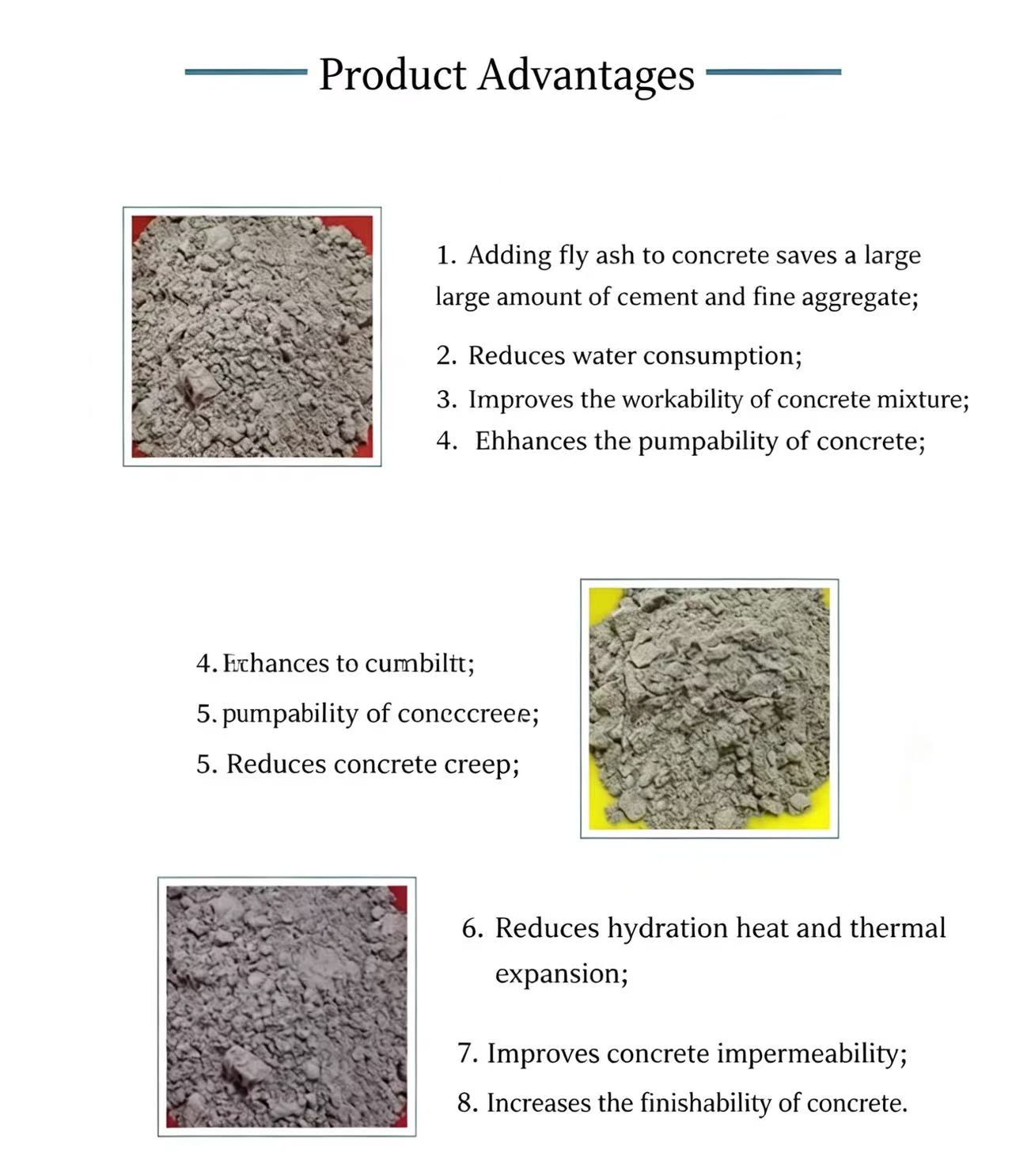
Fine Powder Structure: Fly Ash is a fine powder material with particles that can be incorporated into cement and concrete mixtures. Its particle size and fineness depend on the original collection process and subsequent processing methods. The fine powder structure allows Fly Ash to be blended with cement, aggregates, and other concrete ingredients. Proper particle distribution can help improve the packing characteristics of a concrete mixture.
Improved Concrete Workability: Suitable grades of Fly Ash can help improve the workability and flow characteristics of fresh concrete. Its particle shape and fineness may contribute to smoother mixing and easier placement. The actual effect depends on the quality of Fly Ash, replacement percentage, water content, cement type, and concrete mixture design. Customers should conduct mixture trials to determine the most suitable dosage for their applications.
Pozzolanic Activity: Certain grades of Fly Ash contain reactive silica and alumina that can participate in pozzolanic reactions. Under suitable conditions, these components react with calcium hydroxide produced during cement hydration. This reaction can contribute to additional cementitious compounds and may improve later-age concrete properties. The level of pozzolanic activity varies according to the source and quality of Fly Ash.
Cement Replacement Option: Fly Ash can be used as a supplementary cementitious material to replace part of the cement in properly designed concrete mixtures. This can help reduce the amount of Portland cement required while maintaining the required performance when the mixture is correctly formulated. The replacement ratio should be determined according to project specifications, local construction standards, and laboratory test results.
Multiple Product Grades: Different construction projects require different Fly Ash specifications. Products can be selected according to fineness, chemical composition, loss on ignition, moisture content, and other quality indicators. This flexibility allows concrete manufacturers, cement producers, and building material suppliers to choose suitable Fly Ash for their production processes.
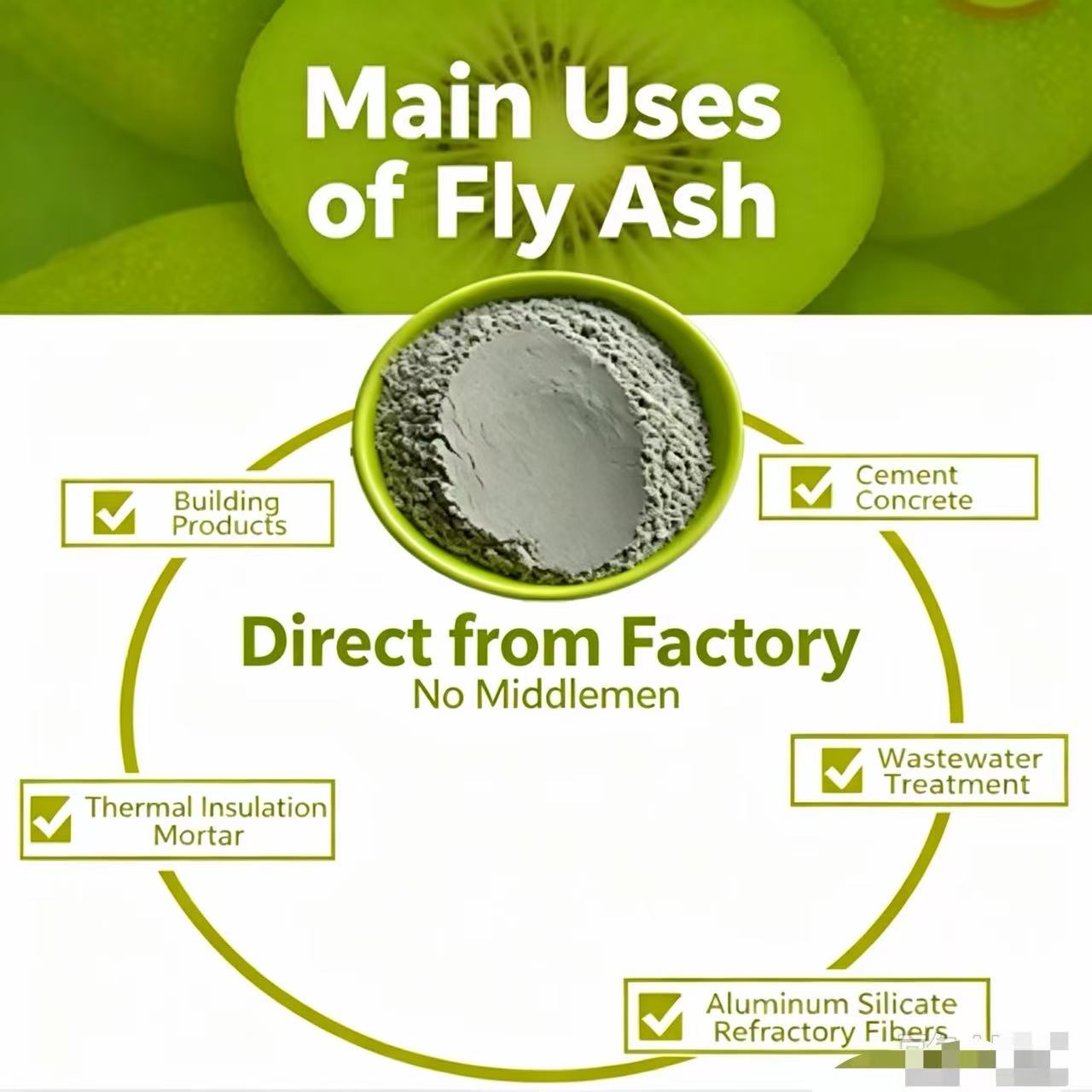
Wide Range of Applications: Fly Ash is widely used in cement manufacturing, ready-mix concrete, precast concrete products, dry mortar, concrete blocks, road construction, and selected industrial building material applications. Its versatility makes Fly Ash an important mineral material for construction material manufacturers and engineering suppliers.
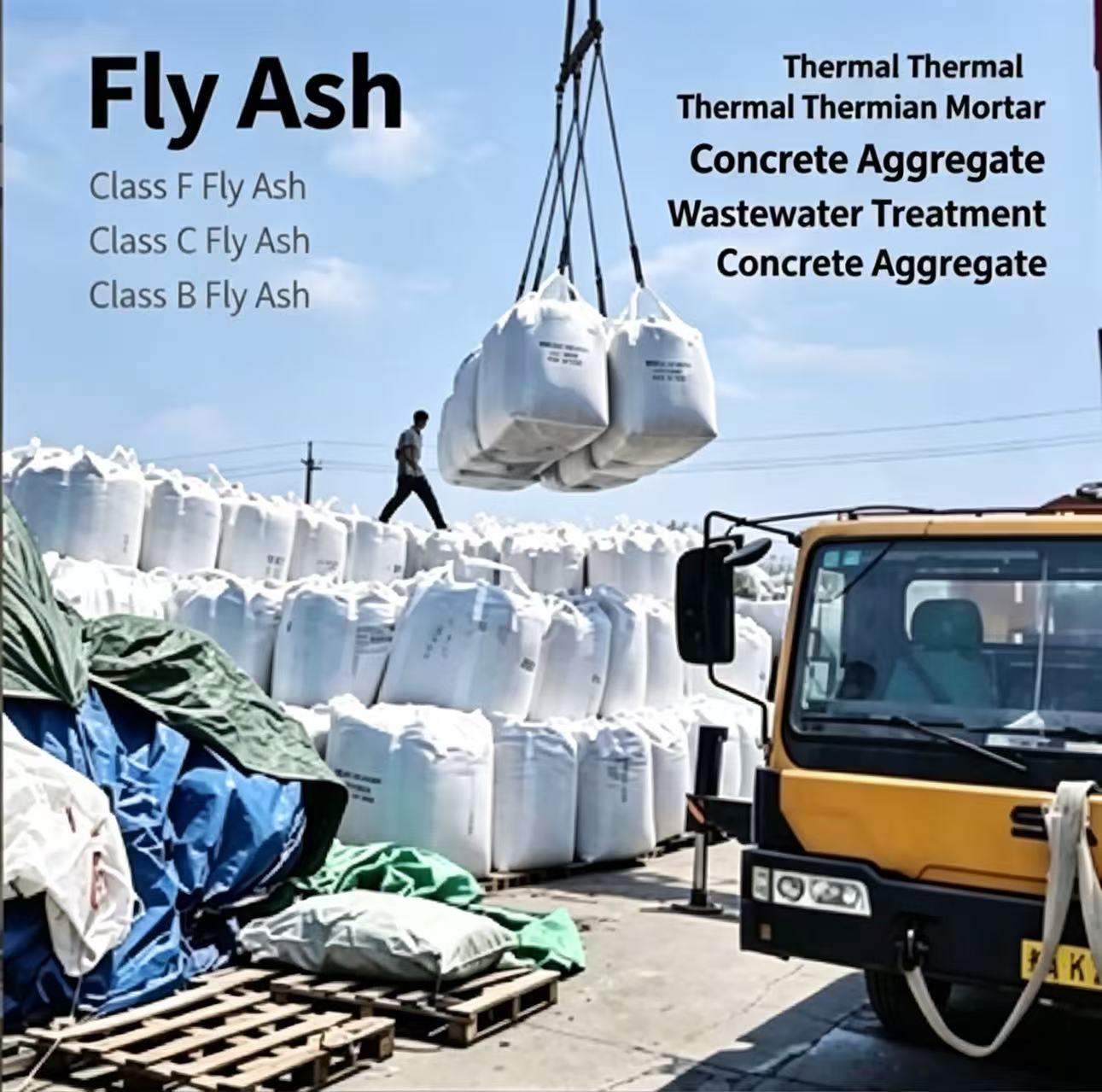
Customized Packaging and Specifications: We can discuss different Fly Ash grades, technical specifications, and packaging options according to customer requirements. Common packaging options include 25kg bags, jumbo bags, and bulk delivery, subject to actual supply conditions. For bulk orders, customers can confirm the required product grade, quantity, packaging, and technical documentation before shipment.
Processing and Production
Fly Ash is mainly collected from the flue gas of coal-fired power plants through dust collection systems. The collected material may undergo additional processing to meet different application requirements.
The typical processing procedure may include the following steps:
Raw Material Collection: Fly Ash is collected from power plant flue gas using suitable dust collection equipment. The characteristics of the collected material depend on the coal source and combustion process.
Separation and Classification: The collected Fly Ash can be classified according to particle characteristics and product requirements. Separation may help obtain more consistent product grades.
Grinding and Fineness Adjustment: Additional grinding may be carried out when finer Fly Ash is required for specific applications. The final fineness should be confirmed through testing.
Screening: Screening and classification help control particle size distribution and remove unsuitable oversized particles when necessary.
Quality Inspection: Finished Fly Ash can be tested for fineness, moisture content, loss on ignition, chemical composition, and other relevant performance indicators.
Packaging and Storage: After inspection, Fly Ash is packed in suitable bags or prepared for bulk transportation according to customer requirements.
The actual processing method depends on the original Fly Ash source, required grade, and intended application.
Applications of Fly Ash
Cement Manufacturing: Fly Ash is commonly used as a mineral component in certain cement products. It can be blended with other cementitious materials according to applicable production standards and quality requirements. Its chemical composition and physical properties should be checked to ensure compatibility with the intended cement formulation.
Ready-Mix Concrete: Fly Ash is widely used in ready-mix concrete production. Suitable grades can be incorporated into concrete mixtures to improve fresh concrete workability and contribute to long-term performance through pozzolanic reactions. The appropriate replacement ratio should be determined through concrete mixture design and laboratory testing.
Precast Concrete Products: Fly Ash can be used in the production of concrete blocks, precast panels, paving products, and other precast construction components. It can be incorporated into suitable formulations to help optimize material composition and production performance.
Dry Mortar and Construction Mortar: Depending on product quality and formulation requirements, Fly Ash can be used in selected dry mortar and construction mortar products. It may contribute to particle packing and mixture performance. The dosage and compatibility should be evaluated according to the specific mortar formulation.
Road Construction: Fly Ash can be used in certain road construction and pavement-related applications when it meets the relevant engineering requirements. It may be incorporated into stabilized materials or other suitable construction mixtures. The selection of Fly Ash for road projects should follow local technical standards and project specifications.
Concrete Blocks and Building Materials: Fly Ash is used in selected building material manufacturing processes, including concrete blocks and other composite construction materials. Its suitability depends on the required product strength, curing conditions, and material formulation.
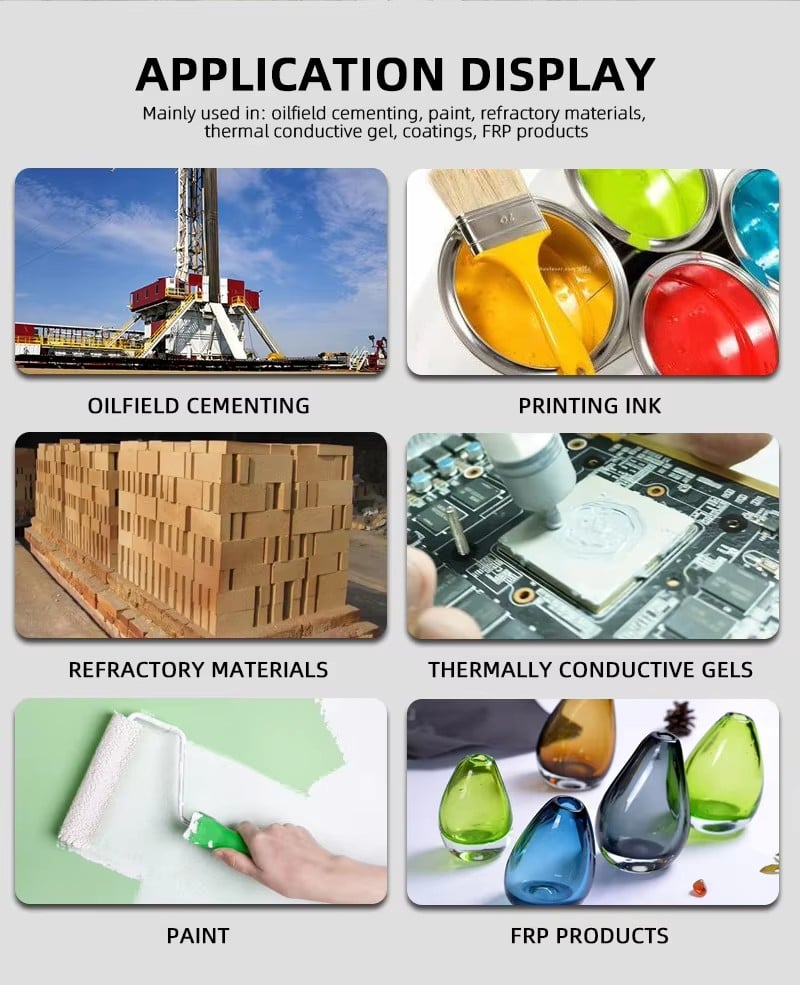
Industrial Applications: Depending on its composition and physical properties, Fly Ash may also be used in selected industrial filling and material processing applications. Each application requires evaluation of product quality and compatibility.
Product Specifications
| Item | Specification |
|---|---|
| Product Name | Fly Ash |
| Product Type | Supplementary Cementitious Material |
| Appearance | Gray or light gray powder |
| Main Components | SiO2, Al2O3, Fe2O3 and other mineral components |
| Fineness | Available according to actual product grade |
| Main Applications | Cement, concrete, mortar, building materials, road construction |
| Packaging | 25kg bags, jumbo bags, or bulk delivery |
| Customization | Product grade, fineness, packaging, and technical specifications |
Note:All technical values should be confirmed by actual factory test reports. Fly Ash properties vary according to raw material sources, collection processes, and product grades.
Quality Control
Quality control is important when selecting Fly Ash for cement and concrete applications. Different grades of Fly Ash may have different chemical compositions, particle size distributions, and performance characteristics.
Important quality indicators may include:
Fineness: Helps evaluate the particle size characteristics of Fly Ash.
Loss on Ignition: Indicates the amount of material lost during the specified ignition test and is an important quality indicator.
Moisture Content: Helps determine the water content of the supplied product.
Chemical Composition: Includes silica, alumina, iron oxide, and other relevant components.
Activity Index: Helps evaluate the contribution of Fly Ash to the strength development of specified cementitious mixtures.
Customers should select Fly Ash according to the relevant standards and technical requirements of their projects. Test reports and product specifications can be confirmed before bulk orders.
Packaging and Delivery
Fly Ash can be supplied in different packaging options to meet various transportation and storage requirements.
Common packaging options include 25kg woven bags, jumbo bags, and bulk delivery. The appropriate packaging method depends on the order quantity, transportation conditions, and customer requirements.
For large-volume orders, bulk supply may be discussed according to available loading and transportation arrangements.
Before shipment, customers can confirm product grade, fineness, technical specifications, packaging, and order quantity. Proper storage in a dry environment is recommended to help prevent moisture absorption and maintain product quality.
Why Choose Our Fly Ash?
We focus on supplying mineral materials and industrial raw materials for construction, building materials, and related industries.
Our Fly Ash supply options can be selected according to different product grades, fineness requirements, and application needs. We understand that cement plants, concrete manufacturers, building material factories, and construction material distributors require reliable product specifications and suitable packaging.
For this reason, we support communication about product requirements before ordering. Customers can confirm the required grade, technical indicators, packaging method, and order quantity according to their production needs.
Whether you need Fly Ash for cement production, ready-mix concrete, precast products, dry mortar, or other suitable construction applications, we can help you discuss appropriate product specifications according to your requirements.
Frequently Asked Questions
Q1: What is Fly Ash?
Fly Ash is a fine powder collected from the flue gas of coal-fired power plants. It is commonly used as a supplementary cementitious material in cement and concrete production.
Q2: What are the main components of Fly Ash?
Fly Ash generally contains silica, alumina, iron oxide, and other mineral components. The exact chemical composition depends on the raw material source and production conditions.
Q3: Can Fly Ash be used in concrete?
Yes. Suitable grades of Fly Ash can be used in concrete as a supplementary cementitious material. The dosage should be determined through mixture design and testing.
Q4: Can Fly Ash replace cement?
Fly Ash can replace part of the cement in properly designed concrete mixtures. The replacement ratio depends on project specifications, applicable standards, and test results.
Q5: What packaging options are available?
Common packaging options include 25kg bags, jumbo bags, and bulk delivery, subject to actual supply conditions.
Q6: Can you provide different grades of Fly Ash?
Different grades and specifications can be discussed according to actual product availability and customer requirements.
Q7: What technical information can be provided?
Relevant technical information may include chemical composition, fineness, moisture content, loss on ignition, and activity index, depending on the available test reports.
Q8: How should Fly Ash be stored?
Fly Ash should be stored in a dry and well-protected environment. Proper packaging and storage help prevent moisture absorption and maintain product quality.