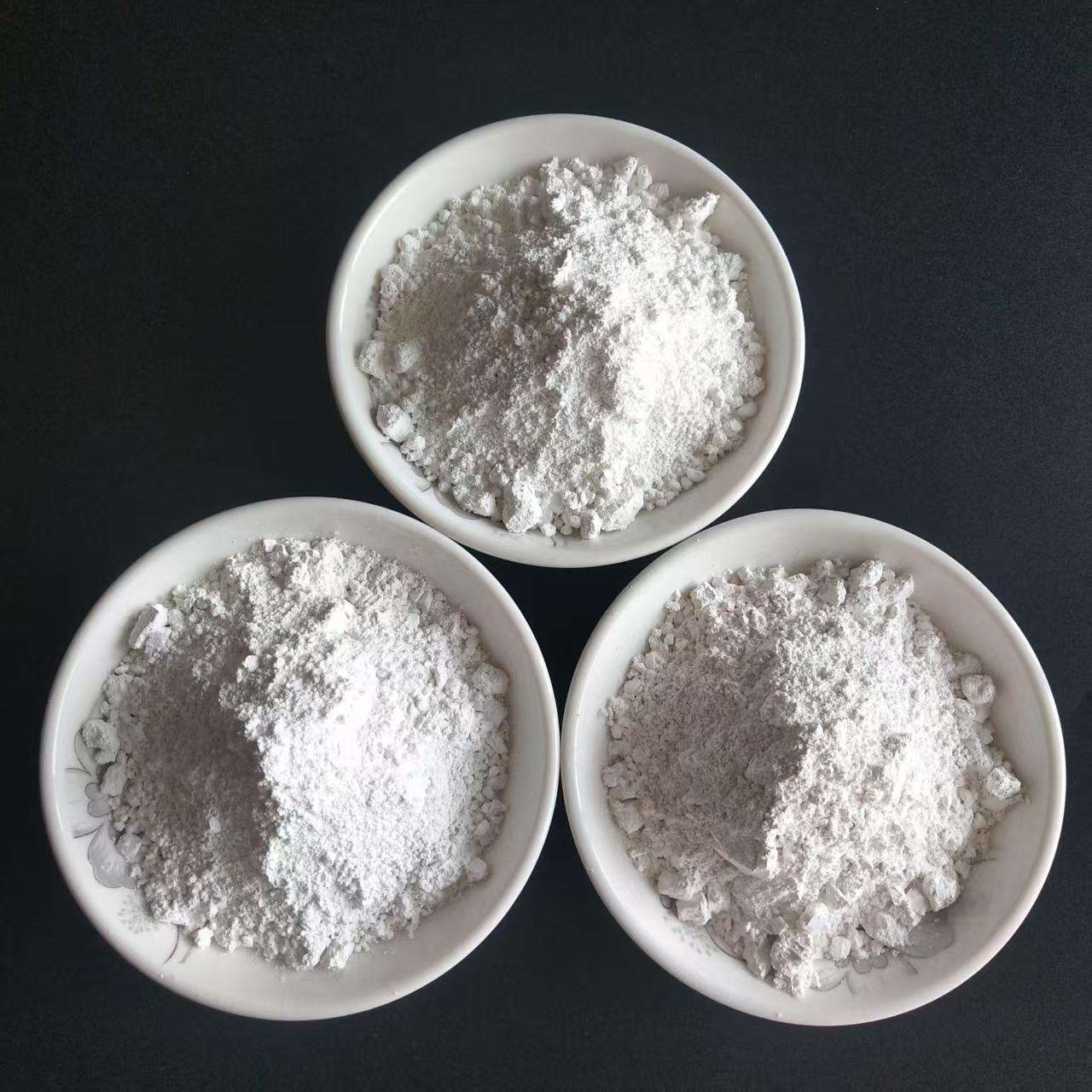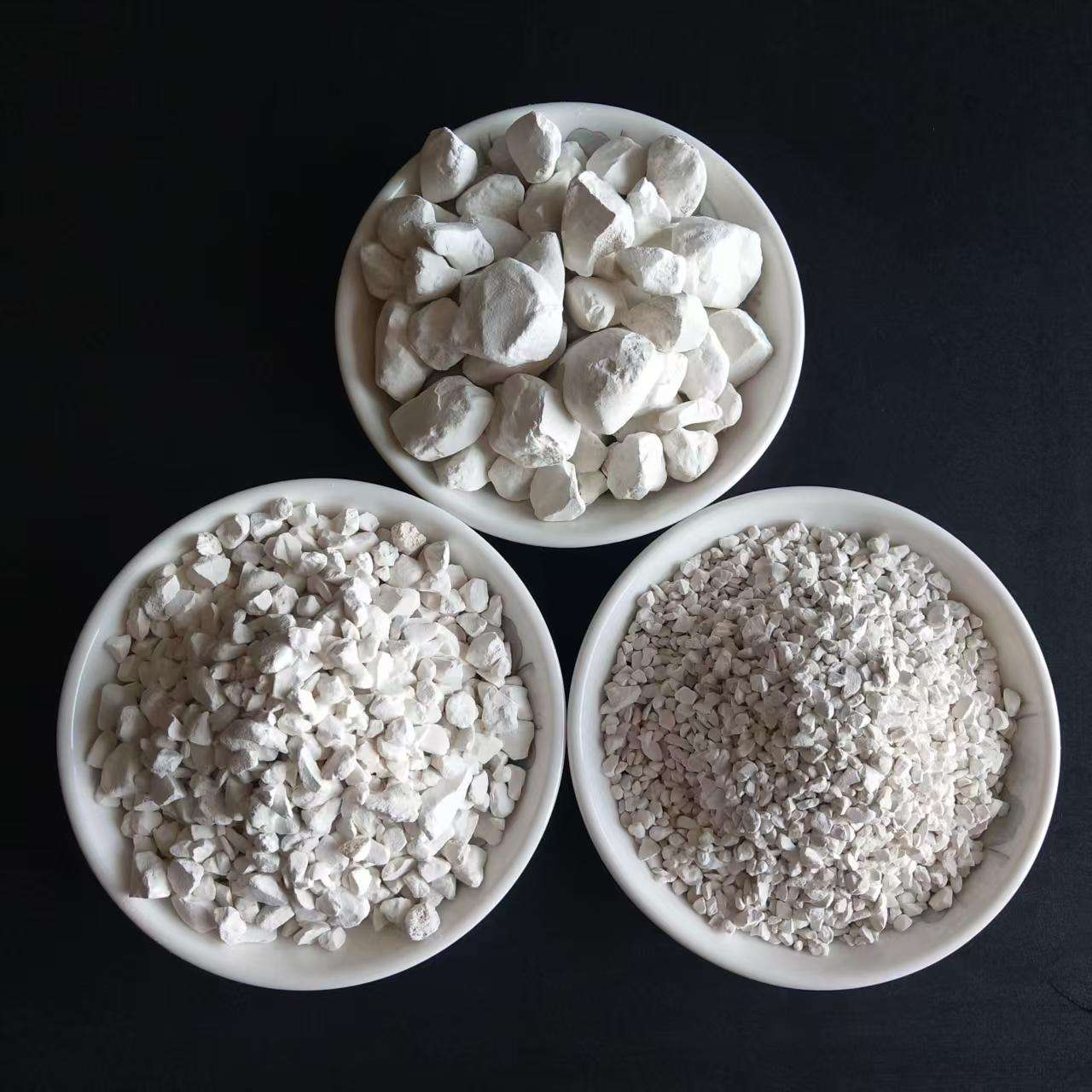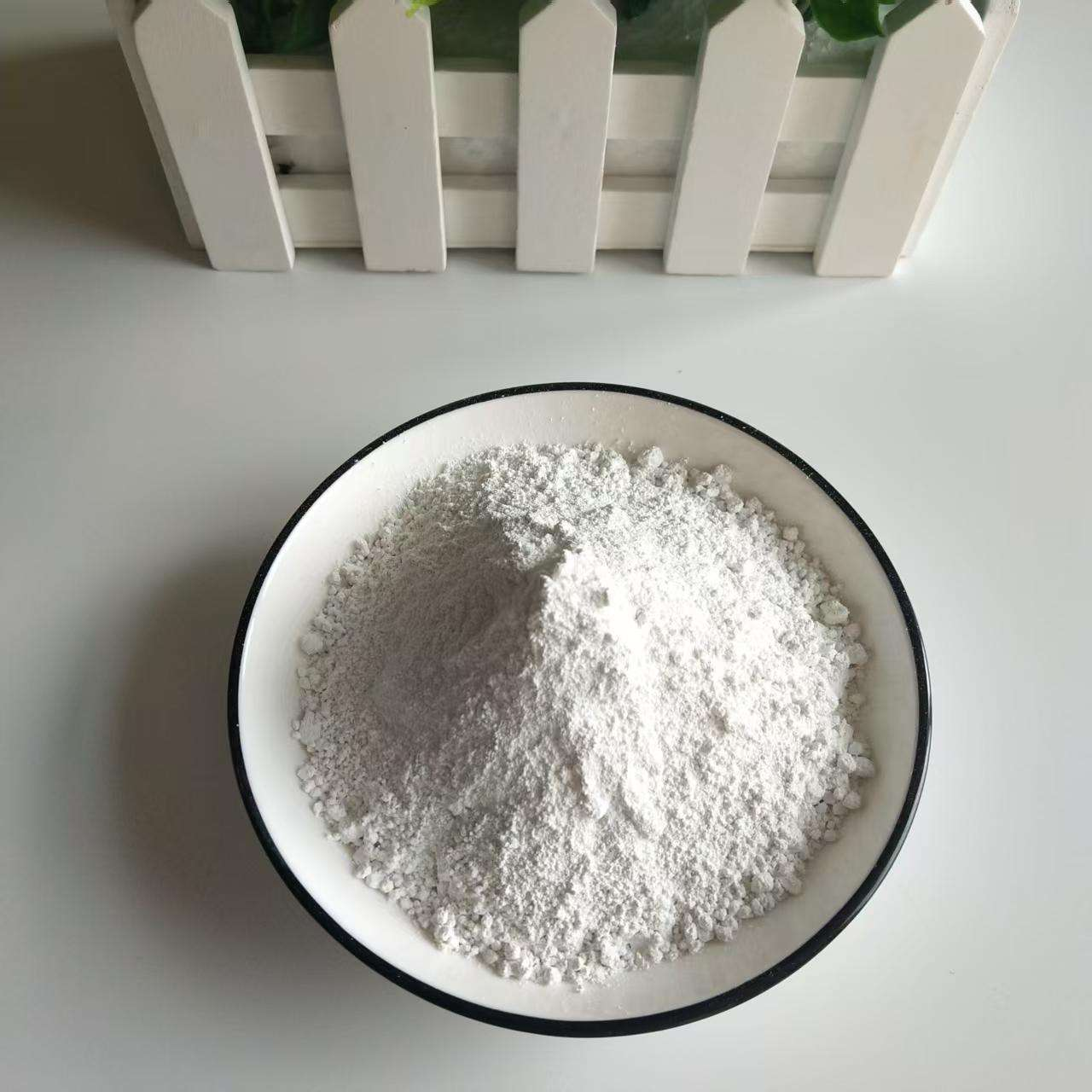
Graphite is a high-performance carbon-based mineral known for its excellent thermal and electrical conductivity, high-temperature stability, chemical resistance, and natural lubricity. With its unique layered crystal structure, graphite can provide both excellent heat resistance and low friction performance, making it an important raw material for a wide range of industrial applications.
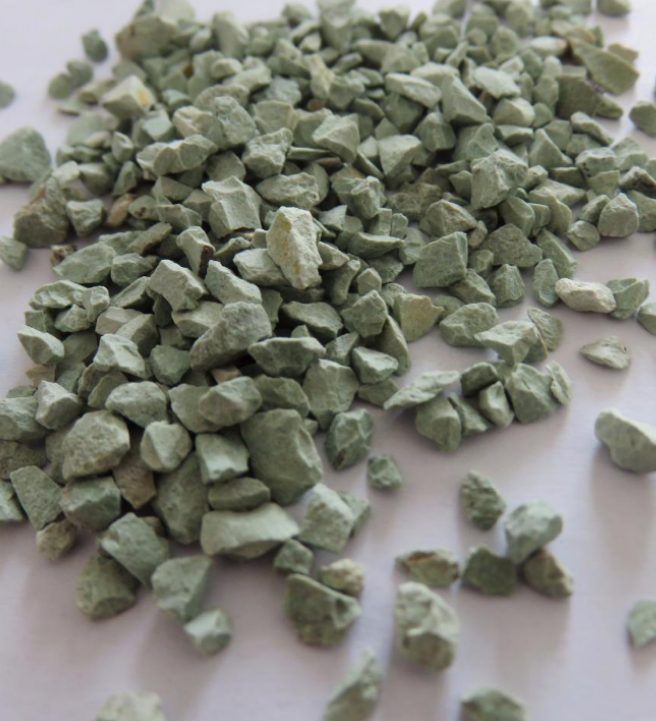
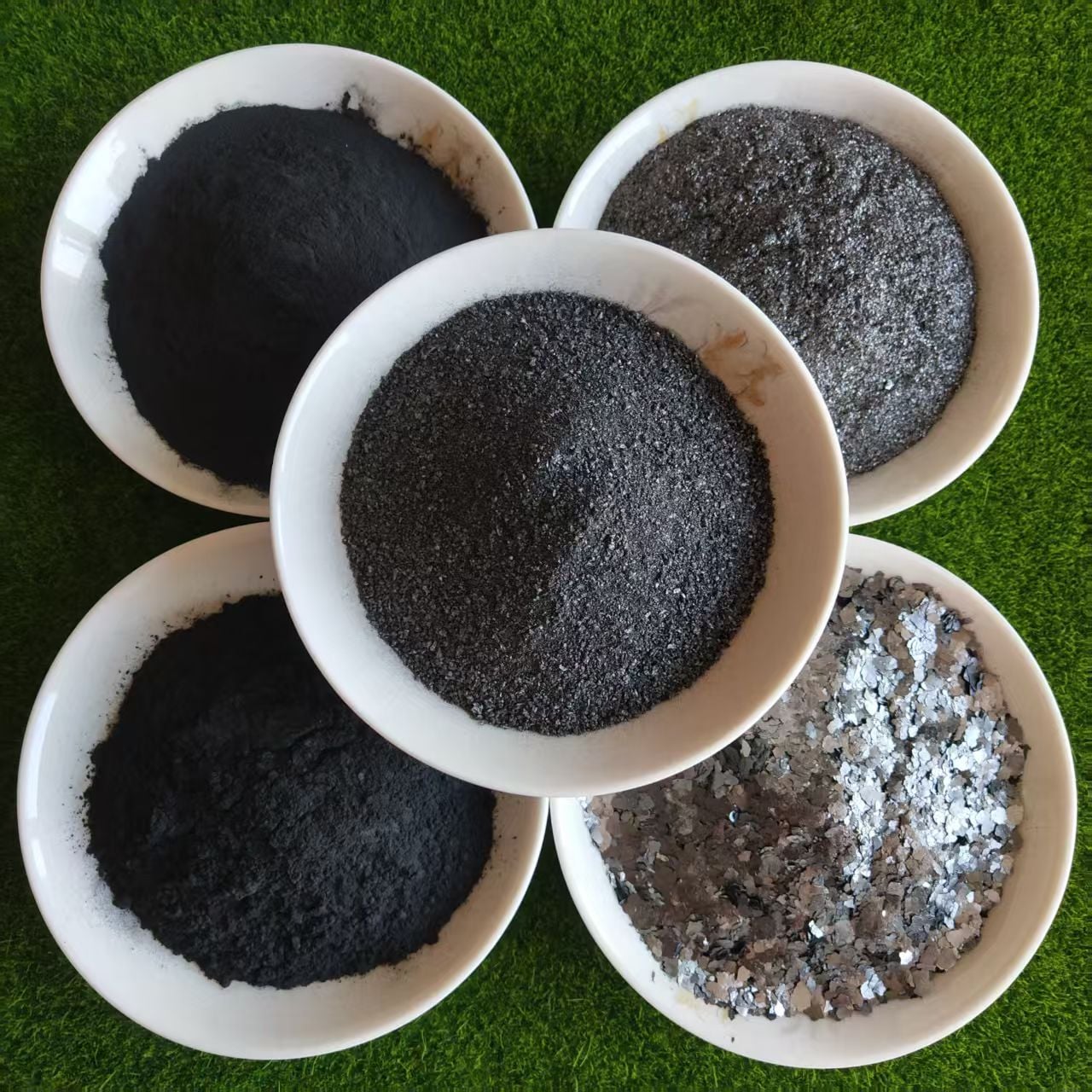
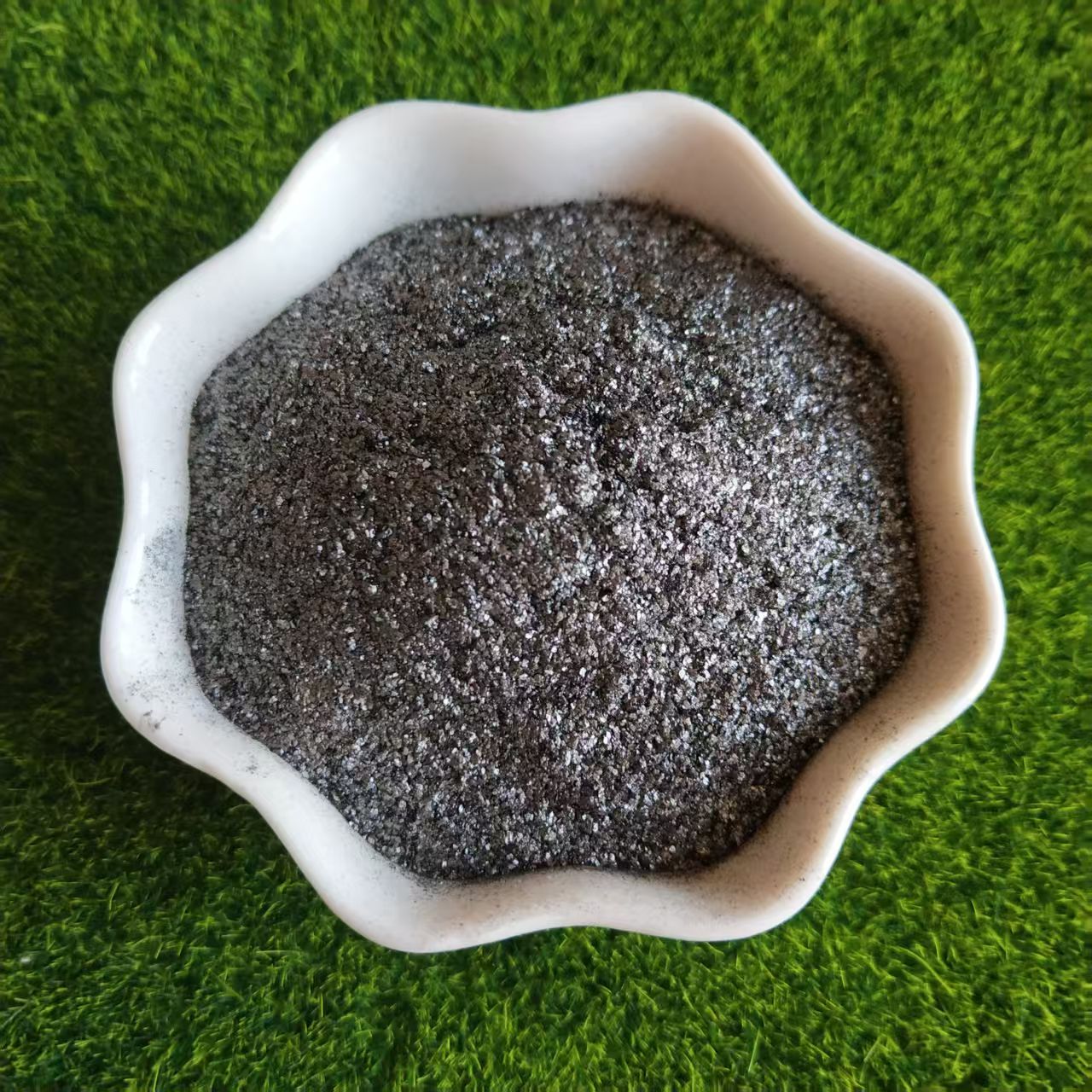
Depending on the application, graphite can be supplied in different forms, including natural flake graphite, graphite powder, micronized graphite, and other customized grades. Different carbon contents, particle sizes, ash levels and sulfur contents allow graphite to meet the requirements of metallurgy, foundry, refractory materials, coatings, lubrication and conductive applications.
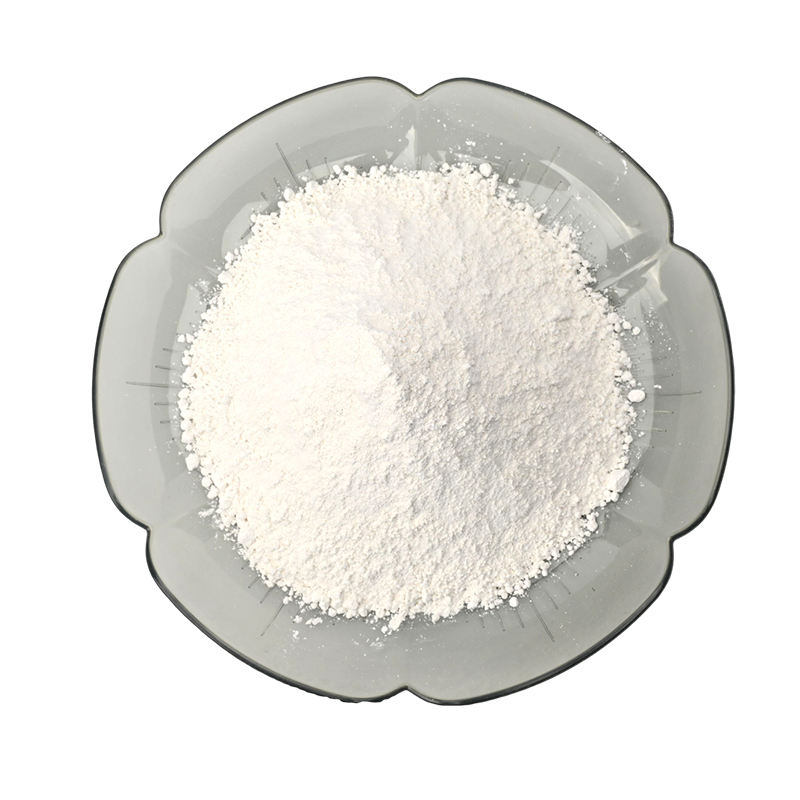
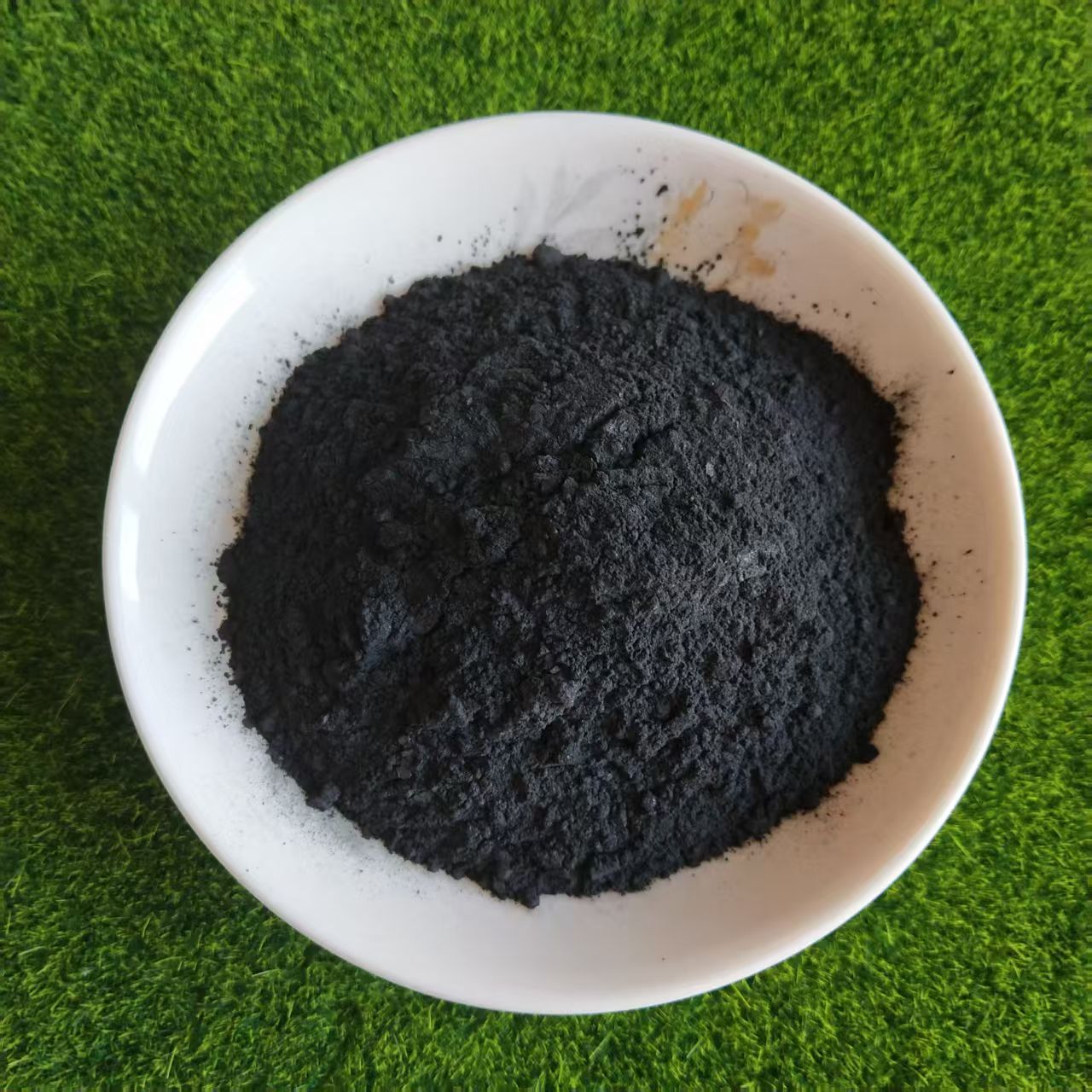
Graphite powder is particularly suitable for industrial processing because its particle size can be adjusted according to the customer's requirements. Fine graphite powder can be used in coatings, lubricants and conductive formulations, while coarser graphite particles can be used as carbon additives and in refractory applications.
For B2B customers, customized graphite grades can be supplied according to required fixed carbon content, particle size, ash content, moisture, sulfur content and packaging specifications.
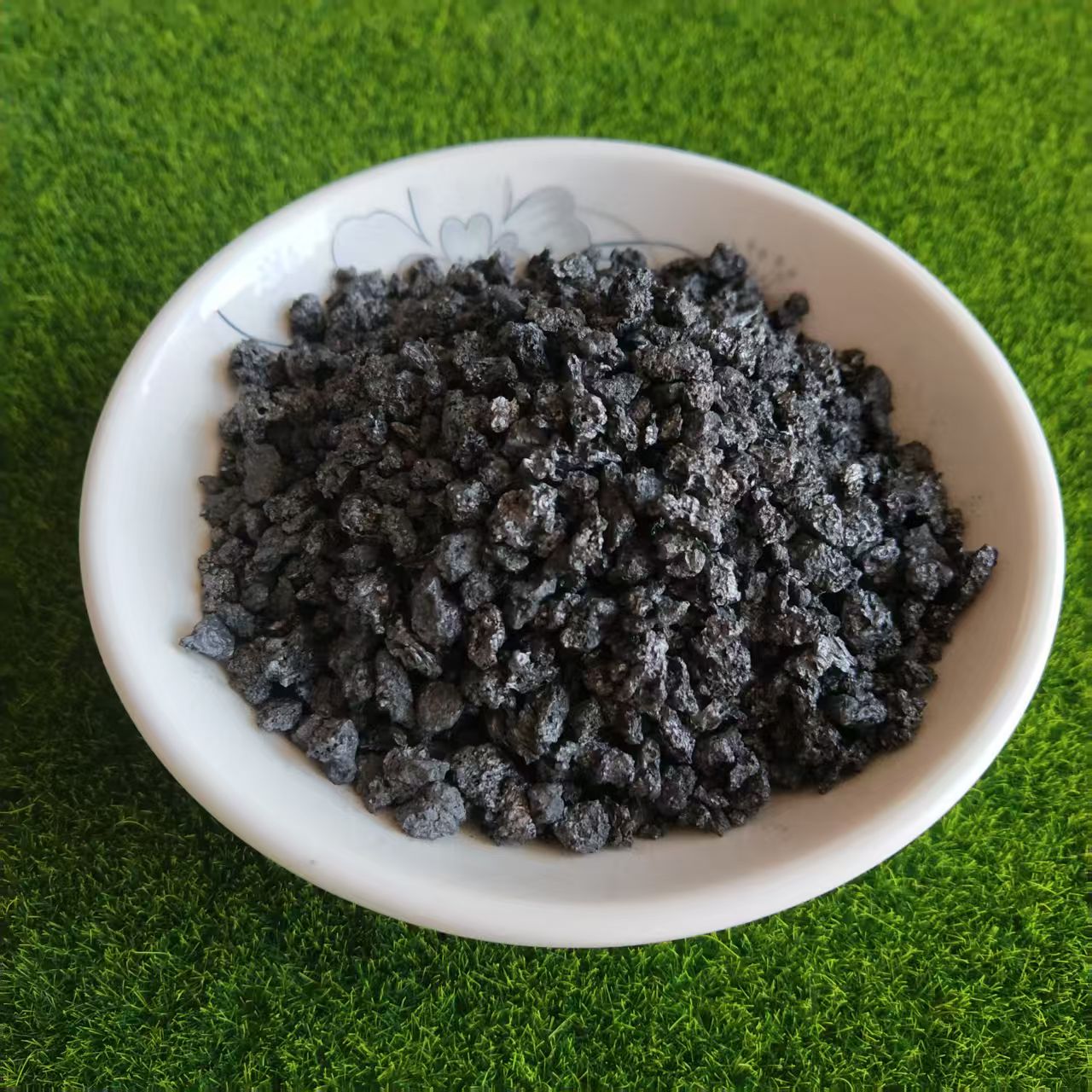
Graphite is widely used in the metallurgical industry as a carbon additive or recarburizer. High-carbon graphite can help increase the carbon content of molten iron and steel while providing a stable carbon source. Certain graphite grades are also used in electric arc furnace electrodes and other high-temperature metallurgical applications.
One of the most important applications of graphite is in high-temperature refractory materials. Graphite can provide excellent thermal stability, thermal shock resistance and corrosion resistance, making it suitable for refractory bricks, crucibles, furnace linings and other high-temperature components.
Graphite-containing refractory products are especially useful in environments where materials are exposed to rapid temperature changes and molten metals.
Graphite powder can be used as a mold release agent, facing material and coating component in foundry operations. Fine graphite particles can help improve surface characteristics and reduce adhesion between molten metal and molds, supporting smoother casting processes.
Because of its layered crystal structure and natural lubricity, graphite is widely used as a dry lubricant. It can be incorporated into high-temperature lubricants, anti-seize formulations and specialized industrial lubrication systems where conventional liquid lubricants may not perform effectively.
Graphite has good electrical conductivity and can therefore be used in conductive compounds, electrical components, coatings and other applications requiring electrical conductivity. It is also an important material in various energy-related applications.
| Parameter | Typical Specification |
|---|---|
| Product Name | Graphite / Graphite Powder |
| Material | Natural Graphite / Synthetic Graphite |
| Fixed Carbon | 80%–99%+ |
| Particle Size | 0–1 mm, 0–3 mm, 0–5 mm, 200 Mesh, 325 Mesh and customized |
| Sulfur | ≤0.03%–0.20%, depending on grade |
| Ash | ≤0.5%–20%, depending on grade |
| Moisture | ≤0.5% typical |
| Appearance | Black or dark gray powder/flakes |
| Packaging | 25 kg bags, woven bags, jumbo bags |
| Customization | Particle size and chemical specifications available |
Some high-purity graphite grades can reach fixed carbon contents above 99%, while lower-carbon industrial grades are also available for applications where extreme purity is not required. Commercial examples demonstrate the wide range of available particle sizes and carbon contents.
With its combination of high-temperature stability, electrical conductivity, thermal conductivity, lubricity and chemical resistance, graphite remains an important industrial mineral and carbon material. From metallurgy and refractory products to casting, lubrication and conductive applications, graphite provides flexible performance across multiple industries.
For international buyers, selecting the correct graphite grade is essential. Fixed carbon content, ash, sulfur, moisture and particle size should be matched with the intended application. Customized graphite powder and flake sizes can also help manufacturers improve processing efficiency and product performance.
 Hot News
2026-04-25
2026-04-16
2026-09-14
2026-09-08
2026-09-01
2026-06-22
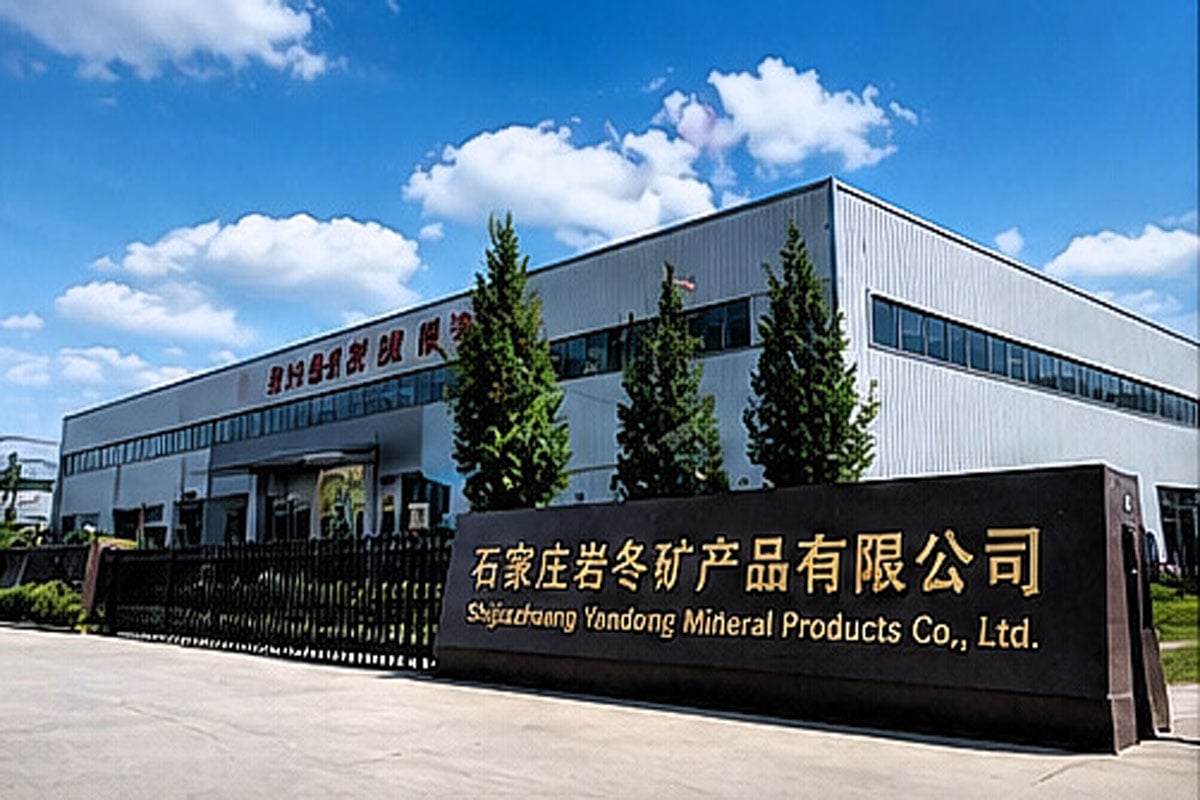
Shijiazhuang Yandong Mineral Products Co., Ltd. is a comprehensive enterprise with over 20 years of experience in the mining and mineral industry, integrating production, processing, sales, and distribution. We specialize in high-quality minerals including kaolin, iron oxide, stone mill powder, calcium oxide, diatomaceous earth, calcium carbonate, calcium hydroxide, bentonite, zeolite powder, magnesium oxide, and mandelic acid.
Liu Zhule Village, Qingtong Town, Lingshou County, Shijiazhuang City, Hebei Province
Copyright © 2026 by Shijiazhuang Yandong Mineral Products Co., Ltd. Privacy Policy
 EN
EN