
 EN
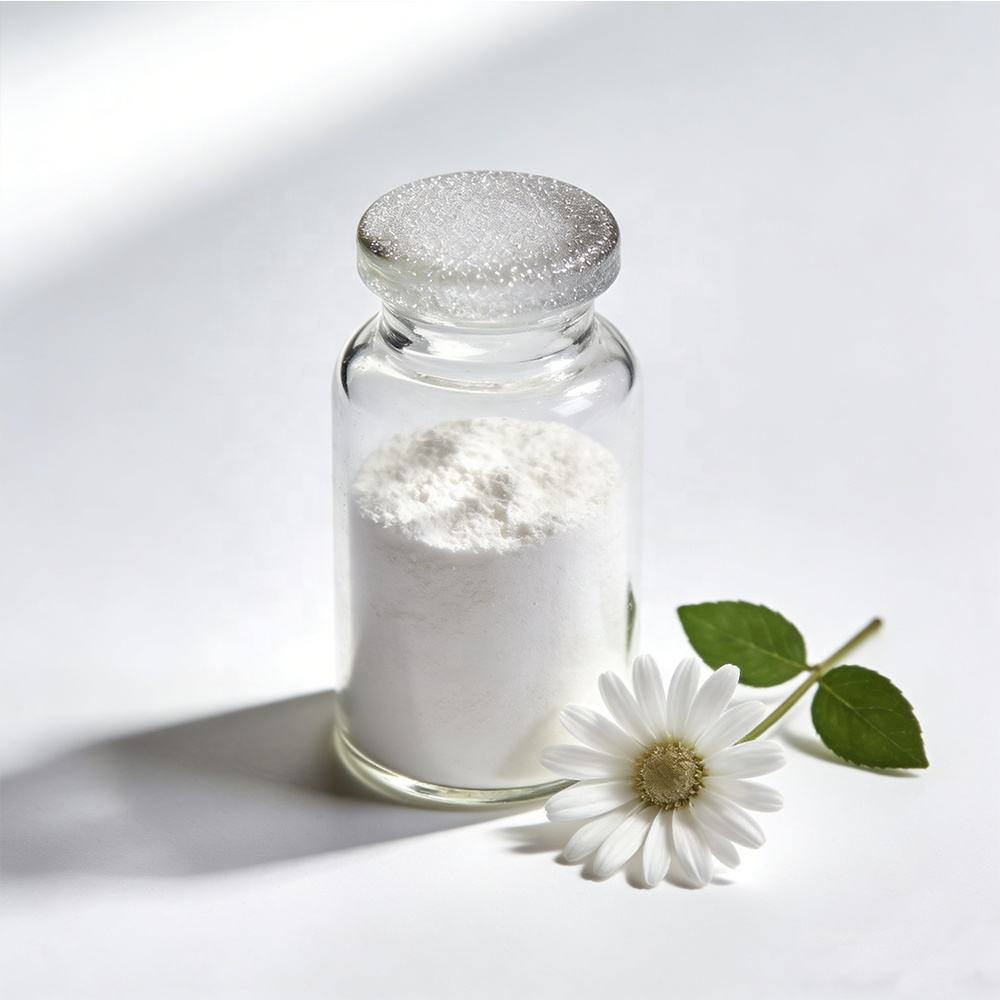
Why Diatomaceous Earth Is Effective for Water Filtration
The Unique Physical Structure of Diatomaceous Earth
Diatomaceous earth (DE) functions as a highly efficient filtration medium due to its origin as fossilized diatoms—microscopic algae with silica-based cell walls. This natural composition yields a rigid, porous, chemically inert structure that remains stable in water. DE particles are not solid but perforated by an intricate network of sub-micron voids, delivering an exceptionally high internal surface area. Composed typically of 86% silica, its consistent porosity makes the powder remarkably light and structurally resilient. Diatom skeletons come in diverse shapes—cylinders, discs, stars—that naturally pack into a dense yet permeable filter cake. This architecture is inherent to the raw, milled material—not engineered—and forms the physical foundation for reliable mechanical separation across industrial and municipal water treatment applications.
Adsorption and Mechanical Sieving: Dual Filtration Mechanisms
DE purifies water through two concurrent mechanisms: mechanical sieving and adsorption. Mechanical sieving occurs as water is forced through the rigid, irregular filter cake; suspended solids larger than the microscopic pathways are trapped on the surface or within the depth of the layer. Adsorption complements this by attracting and holding finer contaminants—including colloidal clays and some bacteria—via surface-level forces, even those smaller than the physical pore spaces. Together, these mechanisms enable DE filters to consistently reduce turbidity below 1 NTU and achieve EPA-verified 99.9% removal of Cryptosporidium cysts—performance that surpasses conventional sand or cartridge filters in clarity and pathogen control.
Correct Application Methods for Diatomaceous Earth in Water Systems
Pre-Coating Filters with Diatomaceous Earth
A uniform pre-coat layer is essential to initiate effective filtration. Begin by mixing food-grade DE with clean water to form a thin, well-dispersed slurry. Circulate this slurry across the filter septum—the supporting screen or fabric—until a consistent cake 1/16 to 1/8 inch thick forms. This pre-coat is the functional filtering medium, not the septum itself. It captures suspended solids while permitting clear water passage. Monitor pressure differential: a stable reading confirms successful coating. Under-dosing risks gaps and breakthrough; over-dosing restricts flow and increases energy use. Adjust dosage based on filter surface area and manufacturer specifications. This step immediately leverages DE’s porous structure to begin particle capture at system startup.
Body Feed Addition During Continuous Filtration
Once the pre-coat is established, introduce a continuous body feed of DE to sustain filter performance. Without it, accumulated solids rapidly blind the cake surface, causing sharp pressure rises and shortened run times. Meter a diluted DE slurry into the influent stream at a rate proportional to the solids load—typically 5–50 mg/L, depending on turbidity. This fresh DE continually regenerates the filtering surface, embedding incoming particles into a dynamic, porous matrix. Operators should fine-tune feed rates using real-time pressure trends and effluent quality data. Proper body feed transforms the static pre-coat into a self-renewing barrier, ensuring stable throughput and sustained removal efficiency—even under variable influent conditions.
Backwashing, Regeneration, and Diatomaceous Earth Replenishment
Backwash immediately upon reaching terminal pressure drop. Reverse-flow clean water dislodges the spent cake and trapped contaminants, producing a waste slurry that must be managed per local environmental regulations. After backwashing, inspect the septum for damage before reapplying a fresh pre-coat. Partial regeneration techniques—such as air scouring or “bumping”—can loosen the upper cake layer and extend cycle length without full replacement, conserving DE but requiring vigilant monitoring to prevent turbidity breakthrough. Balancing backwash frequency is critical: too infrequent raises energy costs and risks filter failure; too frequent wastes media and reduces operational efficiency. Track intervals and adjust for seasonal shifts in source water quality to preserve filtration integrity, ensure consistent output, and maximize system lifespan.
Performance and Validation: What Diatomaceous Earth Delivers in Practice
Pathogen, Turbidity, and Cryptosporidium Removal Rates (EPA-Verified)
EPA-verified testing (2020) confirms that DE precoat filtration achieves a 6-log reduction (99.9999%) of Cryptosporidium parvum oocysts—exceeding regulatory benchmarks set under the Long Term 2 Enhanced Surface Water Treatment Rule. Filtered water consistently maintains turbidity below 0.1 NTU, well under the EPA’s 0.3 NTU operational goal. Giardia cysts are removed at ≥99.9% efficiency, and virus log reductions range from 4 to 5 logs. These results stem directly from DE’s dual-action mechanism—mechanical straining through its dense, sub-micron pore network and adsorptive capture of ultrafine particles—validating its role as a robust, high-performance technology for surface water treatment.
Regulatory Compliance and Safe Handling of Diatomaceous Earth
Diatomaceous earth used in potable water systems must comply with stringent regulatory standards to prevent contamination. In the U.S., the Safe Drinking Water Act requires all filter media to meet NSF/ANSI Standard 61, certifying safety for contact with drinking water. Food Chemical Codex (FCC)-grade DE—containing less than 1% crystalline silica—is the standard specification for municipal and industrial applications to mitigate respiratory risk. Facilities deploying DE filtration fall under oversight by the EPA and state health departments, which enforce turbidity limits, pathogen removal requirements, and backwash disposal protocols under the Long Term 2 Enhanced Surface Water Treatment Rule. Documentation—including certificates of analysis and safety data sheets—must be maintained for regulatory audits.
Safe handling centers on minimizing airborne dust exposure. Though amorphous silica dominates food-grade DE, inhalation of fine particulates—especially during dry handling—can irritate airways. Personnel must wear NIOSH-approved N95 respirators, protective eyewear, and full-sleeve clothing during unloading, mixing, or maintenance. Operations should occur in well-ventilated areas or with local exhaust ventilation. Dust suppression is most effectively achieved by pre-mixing DE into a slurry before introduction into the system. Spills must be cleaned using HEPA-filtered vacuum systems—not dry sweeping or compressed air—to prevent aerosolization.
Spent DE filter cake and backwash solids may concentrate pathogens, metals, or organic contaminants. Per EPA guidance, such waste is classified as solid waste and generally requires dewatering prior to disposal in a permitted landfill—or land application where authorized by state environmental agencies. Waste characterization records and disposal documentation must align with Resource Conservation and Recovery Act (RCRA) requirements. Rigorous adherence to these protocols safeguards worker health, public safety, and environmental integrity.
Frequently Asked Questions
What makes diatomaceous earth so effective for water filtration?
Diatomaceous earth's unique porous structure and high silica content enable both mechanical sieving and adsorption, capturing contaminants and reducing turbidity effectively.
How do you apply diatomaceous earth in water filtration systems?
Firstly, pre-coat the filter septum with a slurry of food-grade DE to set a filtration layer. Then, introduce a continuous body feed of DE during filtration to maintain system efficiency.
Are there safety concerns when handling diatomaceous earth?
Yes, respiratory protection is required to avoid airborne dust exposure. Workers should also use protective eyewear and clothing, and adopt dust suppression methods like pre-mixing DE into slurry.
Does diatomaceous earth comply with water safety regulations?
Yes, DE for potable water systems must meet NSF/ANSI Standard 61 and FCC specification standards, ensuring safety for municipal and industrial use.
How is waste from diatomaceous earth-filtered systems disposed of?
Spent DE filter cake and backwash solids are typically dewatered and disposed of in permitted landfills or land-applied as authorized, in compliance with EPA and RCRA regulations.
Table of Contents
- Why Diatomaceous Earth Is Effective for Water Filtration
- Correct Application Methods for Diatomaceous Earth in Water Systems
- Performance and Validation: What Diatomaceous Earth Delivers in Practice
- Regulatory Compliance and Safe Handling of Diatomaceous Earth
-
Frequently Asked Questions
- What makes diatomaceous earth so effective for water filtration?
- How do you apply diatomaceous earth in water filtration systems?
- Are there safety concerns when handling diatomaceous earth?
- Does diatomaceous earth comply with water safety regulations?
- How is waste from diatomaceous earth-filtered systems disposed of?