
 EN
EN
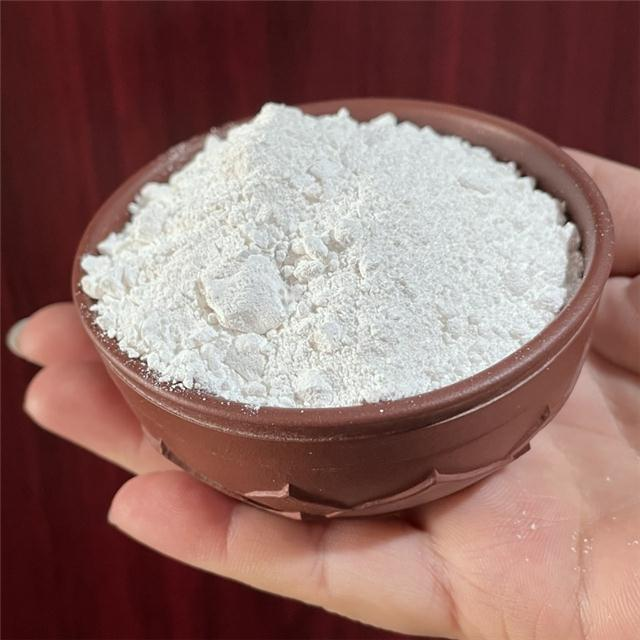
Core Chemical Mechanism Of calcium oxide For Water Body pH Regulation
Shijiazhuang Yandong Mineral Products Co., Ltd has 20+ years integrated mining, calcination and powder deep processing capacity, with an annual total output of 300,000 tons. We independently operate mineral calcining workshops and full physical & chemical testing labs, producing high-purity calcium oxide powder customized for municipal sewage, electroplating wastewater and industrial flue gas purification projects. Our factory supplies stable bulk calcium oxide powder to over 3,000 environmental engineering clients across 65+ countries, and a cross-border electroplating park wastewater renovation project fully demonstrates how qualified calcium oxide powder delivers stable pH adjustment performance. The park’s original contractor sourced low-purity mixed calcium oxide powder from small processors; raw material contained excessive inert mineral impurities, so operators needed to add nearly twice the dosage to lift acidic wastewater pH to discharge standard values, generating massive redundant sludge and raising overall waste disposal costs. After switching our high-activity calcium oxide powder with above 92% effective CaO content, the required dosing volume dropped by 43%, and pH value stayed stably within the 6–9 compliance window without frequent manual correction shifts.
Environmental chemical specialists and NSF drinking water standard researchers explain the core reaction logic of calcium oxide powder in pH adjustment. When calcium oxide powder contacts water, it undergoes instantaneous hydration to generate calcium hydroxide, releasing massive hydroxide ions that neutralize free hydrogen ions inside acidic water, steadily raising the whole system’s pH index. Unprocessed low-grade calcium oxide powder mixed with silica and limestone impurities has incomplete hydration reactions, leading to fluctuating pH readings that force on-site staff to repeatedly add chemical agents. Our production line adopts constant high-temperature rotary kiln calcination for every batch of calcium oxide powder, strictly controlling raw ore impurity content below 0.8% and locking activity index above 420 mg/g. Uniform hydration reaction efficiency makes our calcium oxide powder far more stable than generic unrefined ore powder for continuous pH adjustment of large-volume industrial wastewater and municipal water pipelines.
Graded calcium oxide Powder Matching Different Purification Scenarios
Not all calcium oxide powder can fit identical purification working conditions; our factory divides finished calcium oxide powder into multiple particle fineness and activity grades to target three mainstream environmental treatment tracks: municipal domestic sewage, heavy metal industrial wastewater and industrial flue gas desulfurization. Each grade of calcium oxide powder is processed with separate calcining temperature and crushing parameters to match unique purification goals. A municipal waste incineration plant flue gas treatment cooperation case fully verified graded calcium oxide powder application value. The facility initially adopted fine-mesh low-activity calcium oxide powder designed for water pH adjustment in dry desulfurization towers; powder absorbed moisture too quickly inside high-temperature flues, forming agglomerated blocks that blocked spray pipelines and reduced sulfur capture efficiency to under 70%. After replacing our high-coarseness high-activity calcium oxide powder dedicated to flue gas purification, desulfurization rate climbed to 96% without frequent pipeline blockage maintenance downtime.
EPA industrial pollution control technical documents classify two core application categories of calcium oxide powder purification functions: liquid phase water treatment purification and gas phase flue gas absorption purification. Liquid pH adjustment and heavy metal precipitation require medium-fineness calcium oxide powder (100–200 mesh) with fast hydration speed to quickly generate hydroxide precipitates of lead, nickel and chromium ions. Dry and semi-dry flue gas desulfurization adopts coarse granular calcium oxide powder (20–60 mesh) with strong anti-caking performance under high-temperature airflow. Our technical team provides free scenario grading suggestions for all bulk calcium oxide powder buyers according to their project inflow water quality or flue gas concentration data, avoiding misselection of mismatched calcium oxide powder grades that cause low purification efficiency and extra chemical consumption.
Standard Dosing & Slaking Operation Rules For calcium oxide Powder
Improper slaking and dosing operation of calcium oxide powder is the top cause of unstable pH fluctuation and waste of raw material consumption in on-site purification systems. Based on thousands of environmental project site service records accumulated by our technical department, we form standardized operation specifications for calcium oxide powder storage, dilution and continuous feeding. A printing and dyeing factory wastewater treatment long-term cooperation project exposed common operation mistakes with unguided calcium oxide powder usage. The plant’s operators poured large quantities of dry calcium oxide powder directly into the adjustment tank without pre-slaking, creating localized over-alkaline hot zones that destroyed subsequent biochemical bacterial colonies, and daily calcium oxide powder waste volume reached nearly one-third of total purchase quantity. Our professional technicians delivered on-site slaking training, teaching staff to prepare 12%–18% concentration calcium oxide slurry via sealed stirring tanks before continuous metering delivery; after standardizing operation steps, pH fluctuation range narrowed sharply and raw material consumption decreased by 38%.
ICSC chemical safety operation guidelines and municipal wastewater plant operation manuals set unified slaking standards for calcium oxide powder. The ideal water-to-powder slaking mass ratio falls between 5:1 and 7:1, with constant low-speed stirring to prevent hard lumps that cannot fully react. Dry calcium oxide powder must never be thrown directly into large water pools without pre-slaking, as uneven local pH peaks will damage flocculation and sedimentation links. Our factory attaches complete dosing guidance sheets and SDS safety documents to every bulk shipment of calcium oxide powder, marking recommended slurry concentration, metering pump flow matching parameters and continuous feeding frequency for different water inflow loads. Following standardized slaking and dosing procedures maximizes the pH adjustment and heavy metal purification capacity of calcium oxide powder while cutting unnecessary raw material expenditure for long-term plant operation.
Full QC Inspection Guarantees Stable Purification Effect Of Bulk calcium oxide Powder
Consistent effective calcium content and low impurity levels of bulk calcium oxide powder are the foundation of long-term stable pH control and pollutant purification, and our factory implements four-stage full quality control covering raw ore sorting, kiln calcining monitoring, finished powder sampling and pre-delivery third-party testing. Every ton of calcium oxide powder completes full lab testing of effective CaO value, hydration activity, heavy metal impurity and insoluble residue content before container loading, with official test reports attached to each batch order. A cross-border industrial park centralized sewage framework cooperation project reflected quality risks of untested calcium oxide powder from small mineral workshops. The park’s previous supplier only conducted visual screening without chemical analysis; three consecutive batches of calcium oxide powder had activity index below 300 mg/g, leading to unstable pH values that triggered multiple discharge standard violation penalties. After switching our fully inspected calcium oxide powder bulk supply, daily wastewater pH maintained steady compliance and regulatory inspection records stayed clean for over two years.
NSF water treatment raw material testing standards define strict impurity limit thresholds for calcium oxide powder used in pH adjustment and purification: arsenic, cadmium and lead total impurities must be controlled under 12 mg/kg, and insoluble inert mineral residue cannot exceed 1.2% by mass. Our internal testing lab retains all batch calcium oxide powder data for five years for traceability, supporting annual environmental supervision audits and third-party factory inspections. Unlike scattered small mineral processors that skip continuous kiln monitoring, our production team adjusts calcining temperature in real time once lab sampling detects activity deviation, ensuring every shipment of calcium oxide powder delivers consistent purification performance without periodic efficiency collapse during long-term plant operation.
Full-Cycle Technical & Supply Support For calcium oxide Powder Buyers
Merely supplying bulk calcium oxide powder cannot fully release its pH adjustment and purification advantages; our brand provides closed-loop supporting services including formula calculation, on-site technical guidance and stable long-term bulk delivery for all environmental engineering clients. With 300,000 tons annual mineral capacity and year-round sealed moisture-proof finished material warehouses, we maintain 12,000 tons permanent calcium oxide powder safety inventory to avoid supply interruption during plant peak operation seasons. A large domestic thermal power plant flue gas desulfurization multi-year framework project demonstrated our integrated service strengths. When the plant upgraded its waste gas treatment system and adjusted flue sulfur concentration parameters, our R&D team recalculated optimized calcium oxide powder dosing proportion free of charge and delivered trial powder samples within three working days, without additional testing fees.
Global environmental supply chain procurement advisors remind wastewater and flue gas plant operators to prioritize integrated mineral manufacturers with independent labs rather than trading intermediaries when sourcing calcium oxide powder for purification use. Our multilingual technical team offers free custom dosing simulation based on clients’ daily water treatment volume or boiler flue gas flow data, calculating the most cost-effective calcium oxide powder mixing ratio to balance pH compliance and raw material cost. We provide tiered preferential pricing for annual bulk framework orders of calcium oxide powder, plus permanent archive storage of all test reports and technical matching schemes for convenient annual audit retrieval. From pre-project parameter simulation, bulk stable delivery to long-term process iteration guidance, our full-service system removes all technical and supply chain obstacles when clients apply calcium oxide powder for pH adjustment and multi-dimensional pollutant purification.
Table of Contents
- Core Chemical Mechanism Of calcium oxide For Water Body pH Regulation
- Graded calcium oxide Powder Matching Different Purification Scenarios
- Standard Dosing & Slaking Operation Rules For calcium oxide Powder
- Full QC Inspection Guarantees Stable Purification Effect Of Bulk calcium oxide Powder
- Full-Cycle Technical & Supply Support For calcium oxide Powder Buyers