
 EN
EN
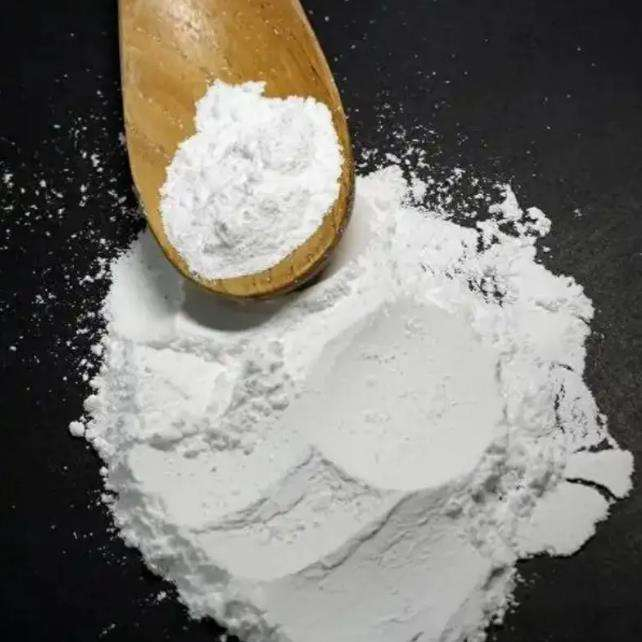
Calcium oxide powder, also known as quicklime, is widely used in industrial water treatment due to its strong alkalinity and ability to improve water chemistry.
When calcium oxide reacts with water, it forms calcium hydroxide, which provides hydroxide ions for pH adjustment and neutralization. This reaction makes calcium oxide powder an effective solution for treating acidic wastewater, supporting precipitation processes, and improving overall treatment efficiency.
For industries dealing with acidic streams, heavy metals, or high mineral loads, calcium oxide provides a practical alkaline material option with reliable performance when properly handled and dosed.
Calcium Oxide Powder Reaction Mechanism in Water Treatment
The main reaction of calcium oxide in water treatment is the hydration process:
Calcium oxide + water → calcium hydroxide
This reaction releases heat and produces a calcium hydroxide slurry with strong alkaline properties.
The generated calcium hydroxide increases pH and helps neutralize acidic components in wastewater. Because calcium hydroxide has limited solubility, it provides a controlled source of alkalinity rather than causing extremely rapid pH changes.
Proper mixing and suitable water addition are important for achieving complete hydration and consistent treatment performance.
Why Calcium Oxide Powder Is Used for Acidic Wastewater Neutralization
Industrial wastewater from chemical processing, metal treatment, mining, and manufacturing operations may contain acidic substances that require neutralization before discharge or further treatment.
Calcium oxide powder helps increase alkalinity and stabilize pH conditions. Compared with some liquid alkaline chemicals, calcium oxide offers advantages such as:
Easy storage and transportation
High alkaline activity
Suitable performance for large-scale applications
Ability to support additional precipitation reactions
The actual dosage depends on wastewater characteristics, including acidity level, flow conditions, and treatment objectives.
Calcium Oxide Powder for Heavy Metal and Phosphate Removal
Calcium oxide plays an important role in wastewater treatment processes involving dissolved metals and phosphorus compounds.
When pH increases, many heavy metals can form low-solubility hydroxide compounds that separate from water through precipitation.
Calcium ions released during treatment can also react with phosphate compounds to form calcium phosphate precipitates, supporting phosphorus removal in suitable applications.
The effectiveness of calcium oxide depends on factors such as:
Wastewater composition
Initial pH level
Chemical concentration
Mixing conditions
Treatment process design
Calcium Oxide and Water Chemistry Management
In addition to neutralization, calcium oxide can influence water stability by increasing calcium concentration and alkalinity.
In some water systems, controlling alkalinity and mineral balance helps reduce corrosion risks and improve infrastructure protection.
Engineers typically evaluate parameters such as pH, alkalinity, hardness, and saturation conditions when designing corrosion control strategies.
Handling and Safety Considerations for Calcium Oxide Powder
Because calcium oxide reacts strongly with moisture, proper storage and handling are essential.
Recommended practices include:
Storing calcium oxide in dry, moisture-resistant conditions
Using suitable feeding equipment
Controlling dust during transportation and dosing
Providing appropriate protective equipment for operators
During the slaking process, heat generation should also be considered. Industrial systems should use proper mixing and process control to ensure safe and stable operation.
Choosing a Reliable Calcium Oxide Powder Supplier
For industrial water treatment applications, product quality directly affects treatment performance.
Important supplier considerations include:
Stable calcium oxide quality
Consistent particle characteristics
Reliable supply capacity
Proper technical documentation
Professional application support
A reliable calcium oxide powder supplier can help customers select suitable products according to wastewater characteristics and operational requirements.
FAQ About Calcium Oxide Powder in Water Treatment
What is calcium oxide powder used for in water treatment?
Calcium oxide powder is mainly used for pH adjustment, acidic wastewater neutralization, and supporting precipitation processes for metals and phosphorus compounds.
How does calcium oxide react with water?
Calcium oxide reacts with water to form calcium hydroxide, releasing heat and creating an alkaline slurry used for water treatment applications.
Why is calcium oxide suitable for industrial wastewater treatment?
Calcium oxide provides strong alkalinity, convenient storage, and effective performance in large-scale neutralization and treatment processes.
Can calcium oxide remove heavy metals?
Yes. By increasing pH, calcium oxide can help convert some dissolved heavy metals into less soluble hydroxide compounds for removal.
What safety measures are required when using calcium oxide?
Calcium oxide should be stored away from moisture and handled with appropriate protective equipment to prevent dust and chemical exposure.
Table of Contents
- Calcium Oxide Powder Reaction Mechanism in Water Treatment
- Why Calcium Oxide Powder Is Used for Acidic Wastewater Neutralization
- Calcium Oxide Powder for Heavy Metal and Phosphate Removal
- Calcium Oxide and Water Chemistry Management
- Handling and Safety Considerations for Calcium Oxide Powder
- Choosing a Reliable Calcium Oxide Powder Supplier
- FAQ About Calcium Oxide Powder in Water Treatment