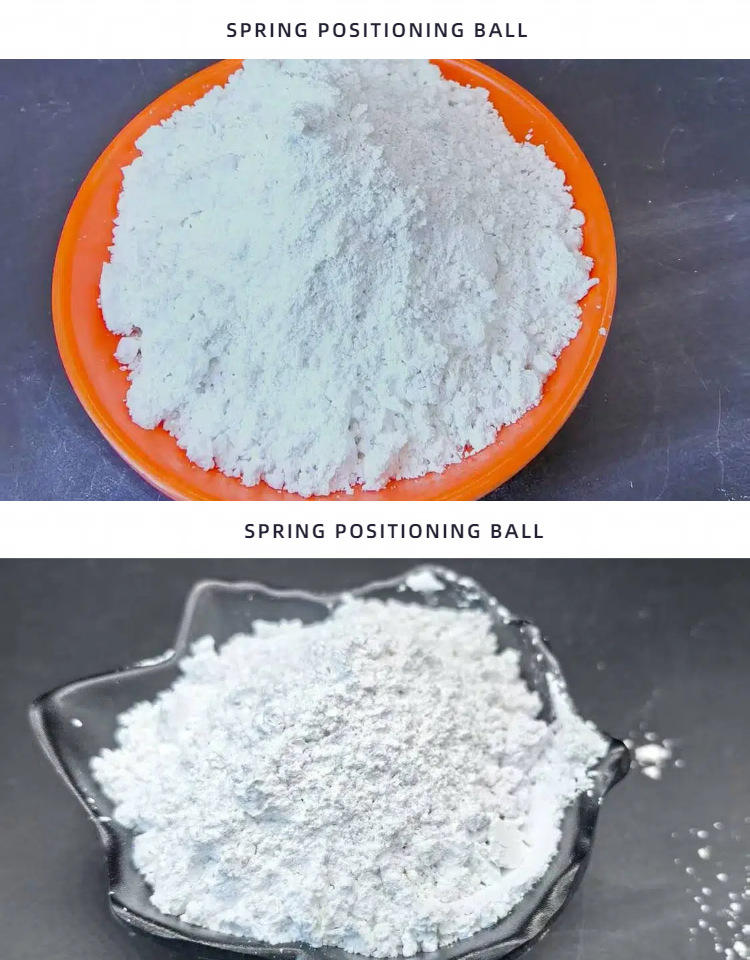
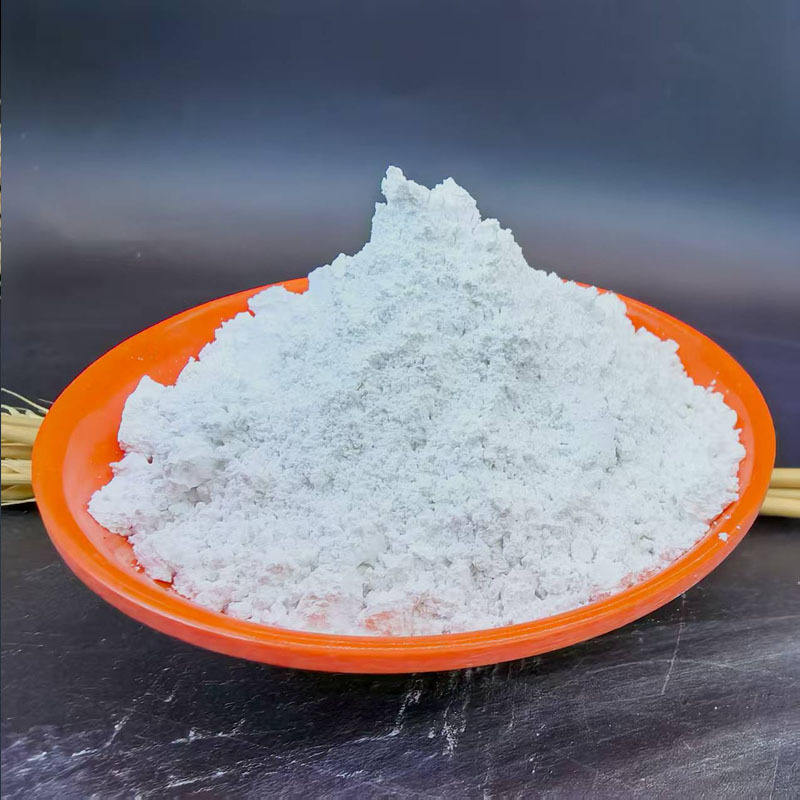
Rollen af CaCO3 for jordens sundhed og frugtbarhed
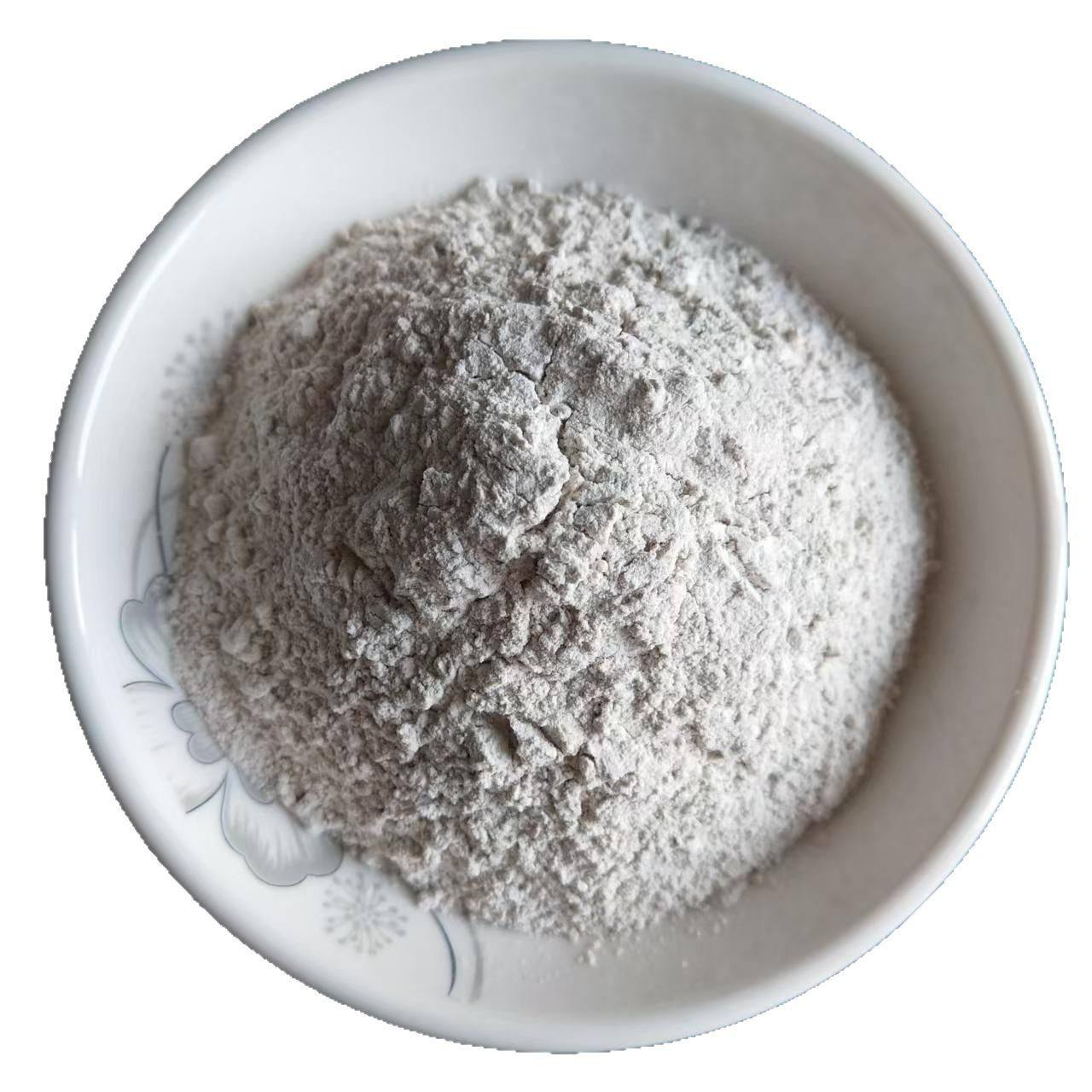
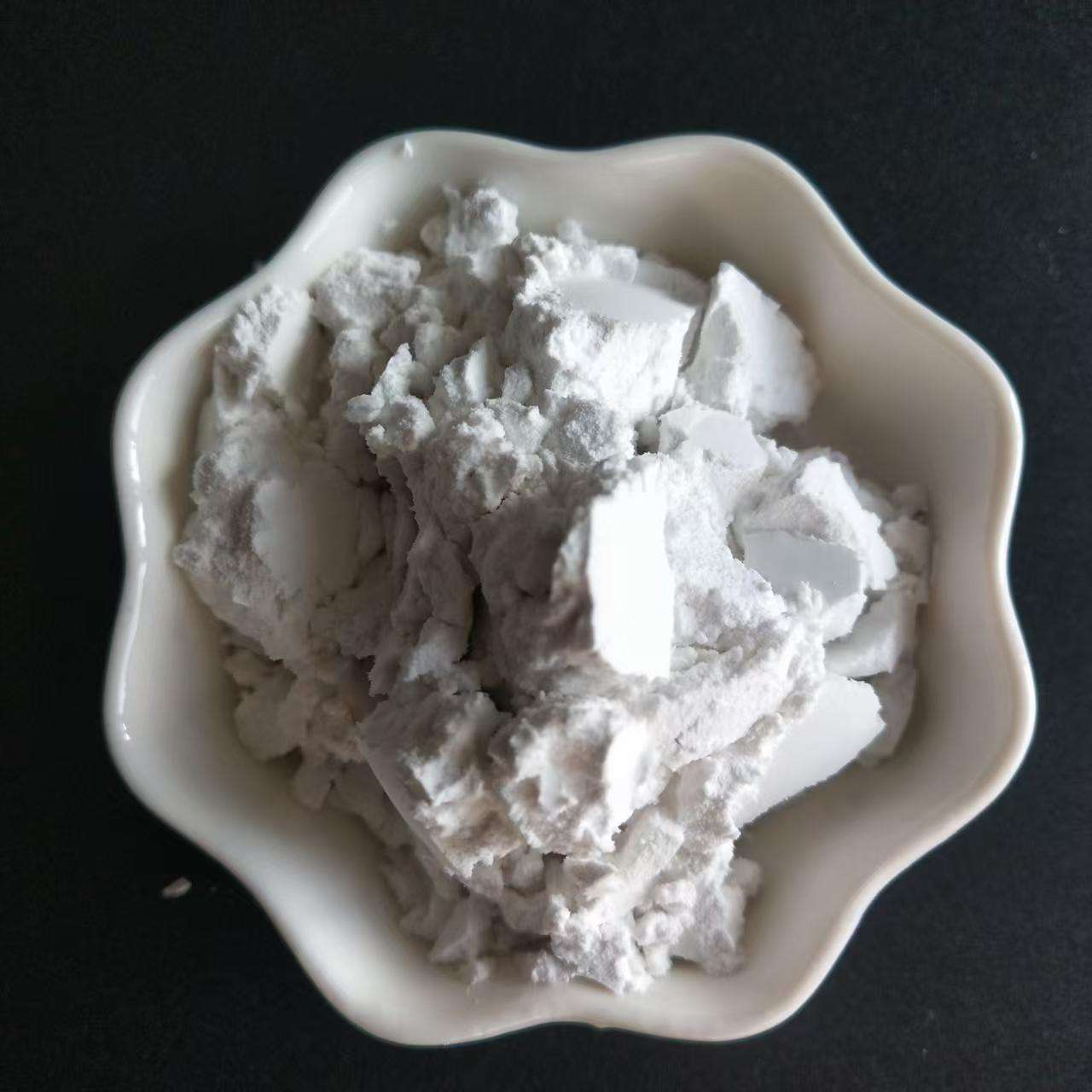
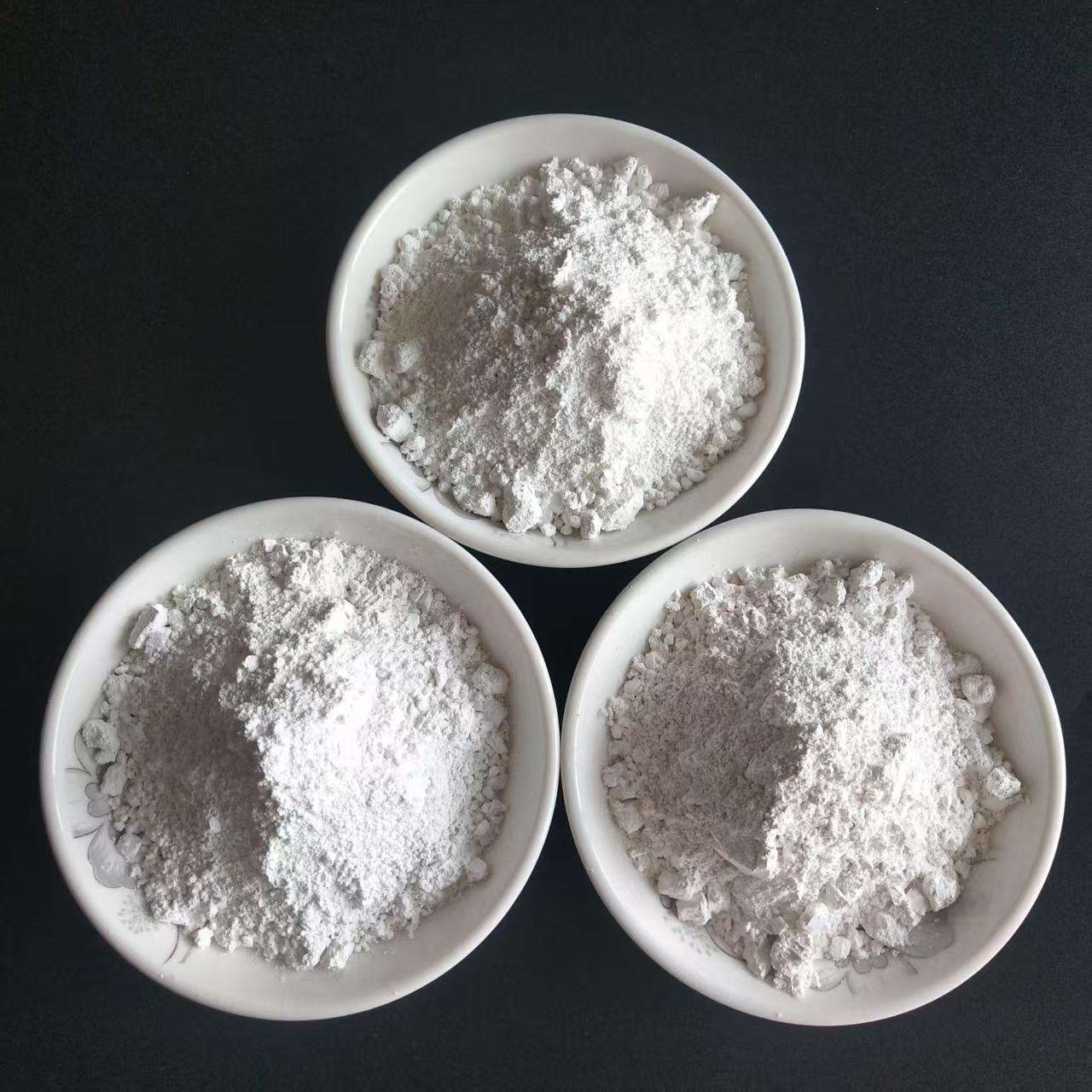
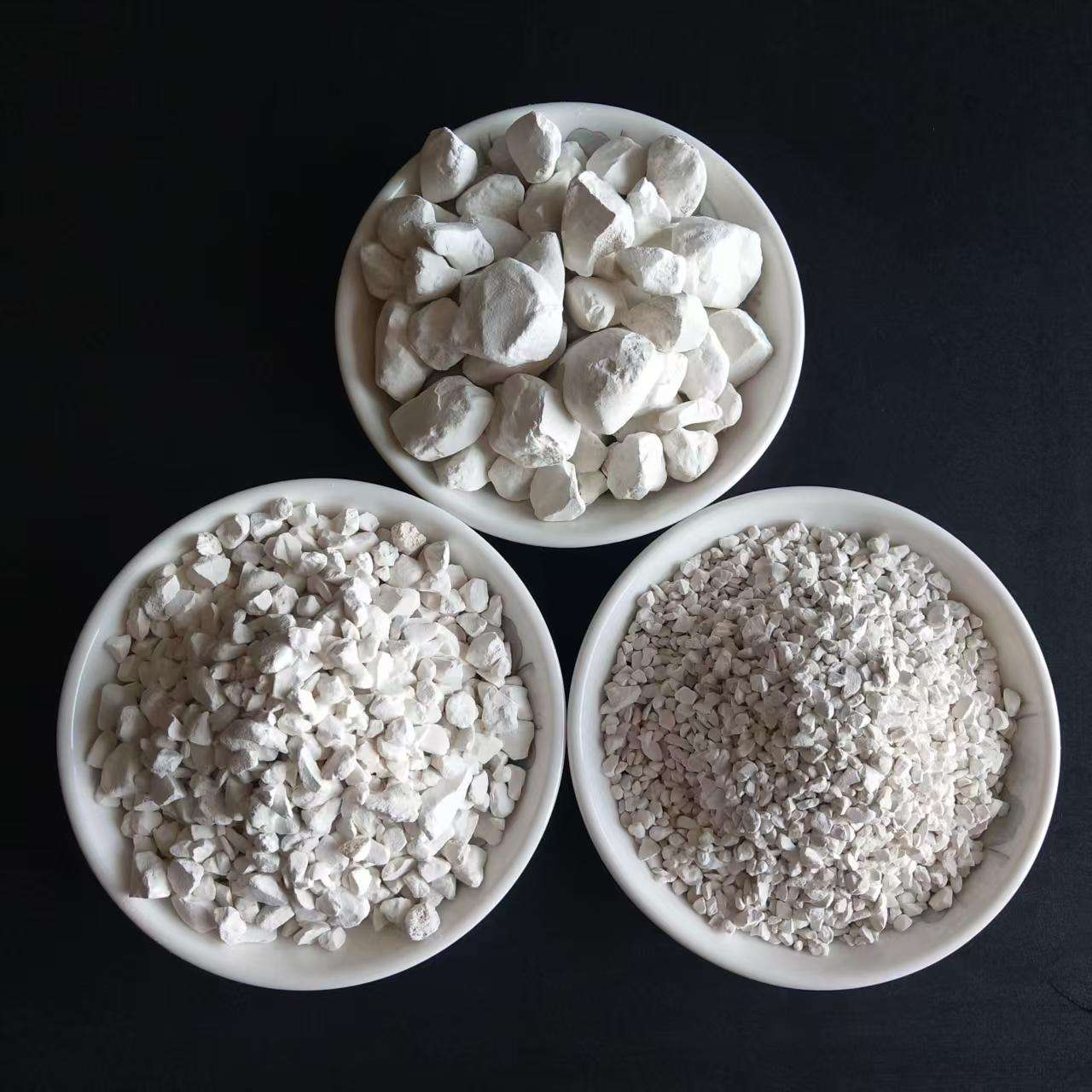
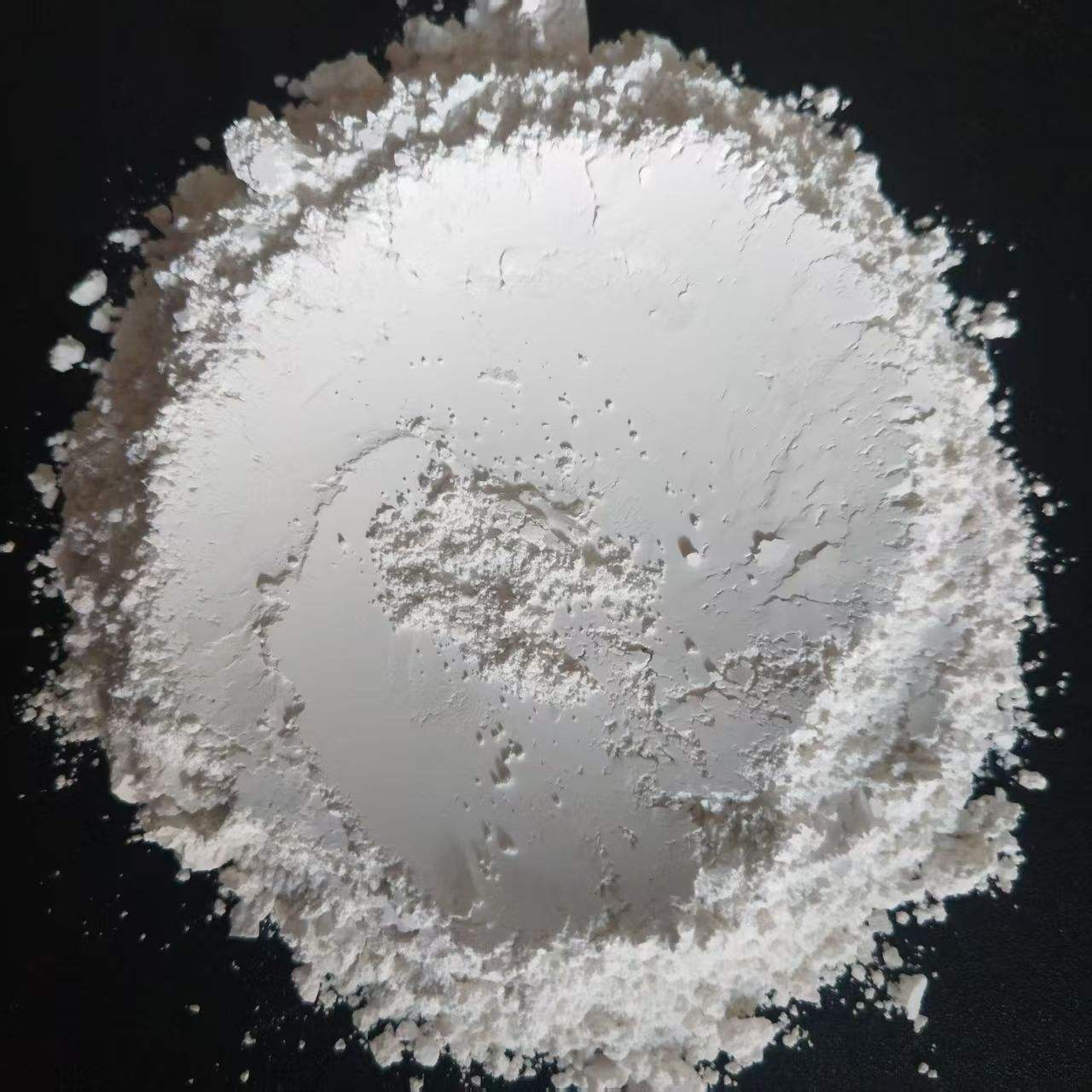
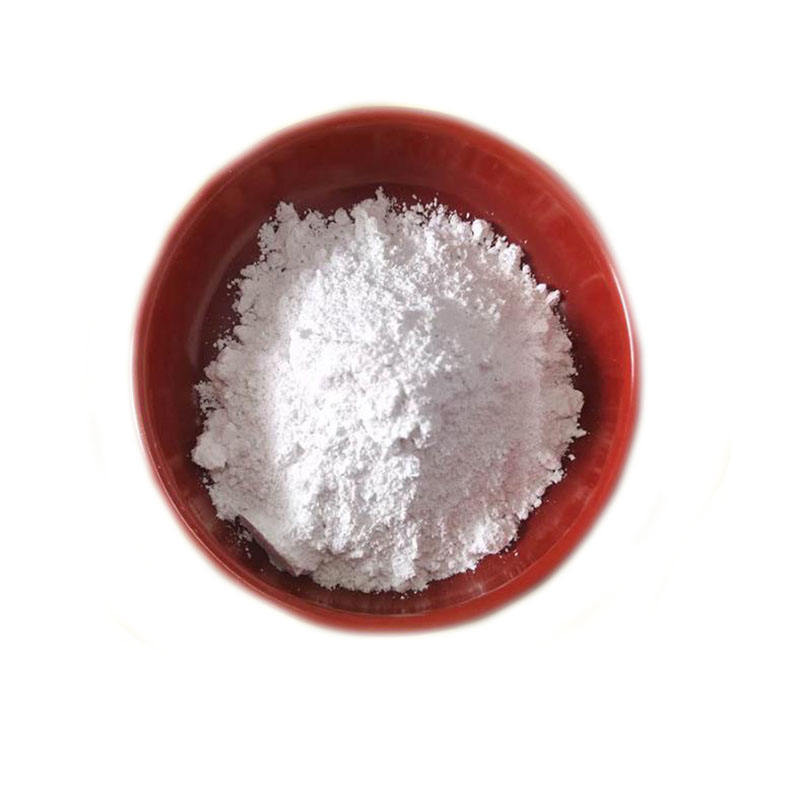
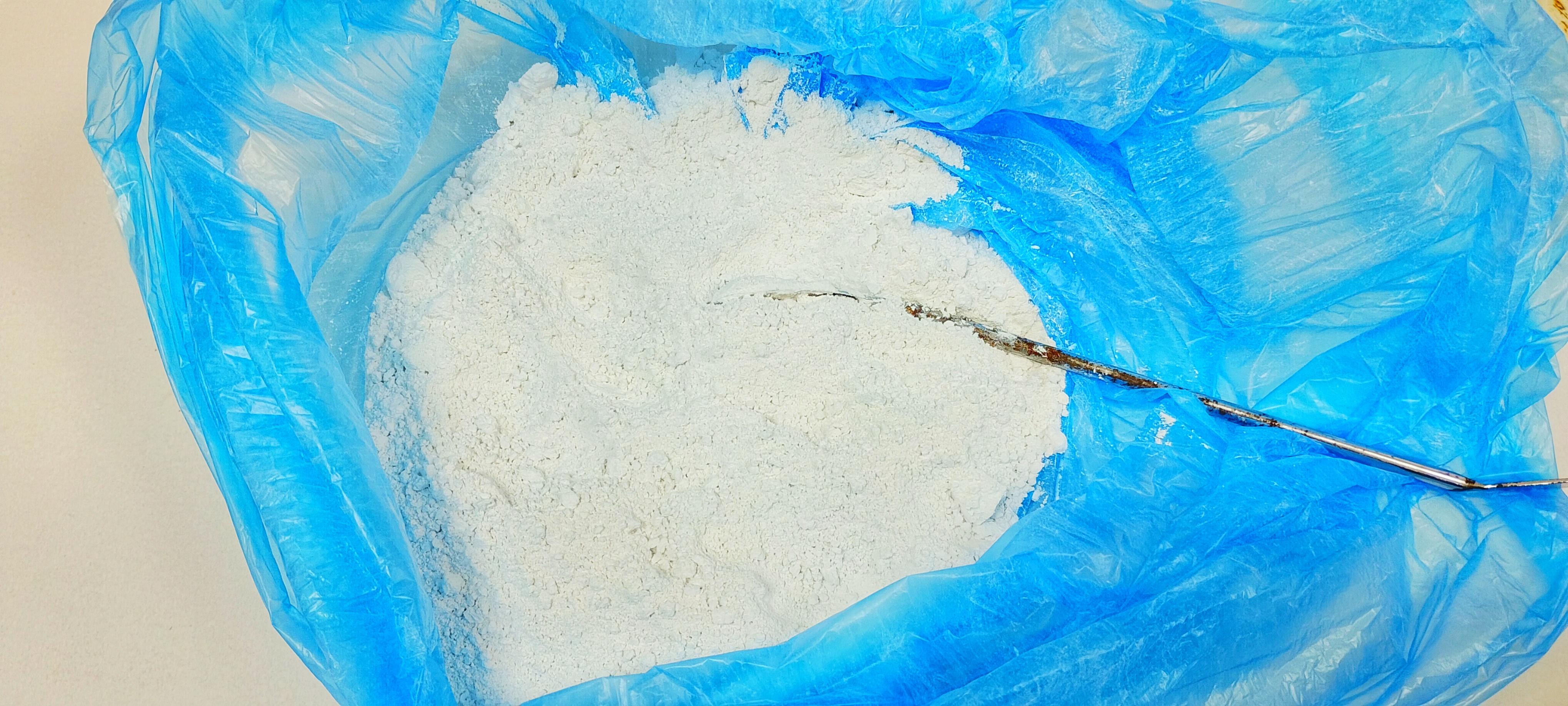
Calciumcarbonat (CaCO3) spiller en afgørende rolle for at forbedre jordkvaliteten og frugtbarheden, hvilket gør det til en afgørende komponent for landbrugsproduktionens succes. Hos Shijiazhuang Yandong Mineral Products Co., Ltd. specialiserer vi os i levering af højtkvalitets calciumcarbonat, som er afgørende for at opretholde optimale pH-værdier i jorden og forbedre tilgængeligheden af næringselementer. Vores calciumcarbonatprodukter stammer fra pålidelige minedriftsaktiviteter og er behandlet i overensstemmelse med strenge kvalitetskrav. Med mere end 20 års erfaring inden for mineralindustrien forstår vi betydningen af at levere konsekvente og pålidelige materialer til vores kunder. Vores CaCO3-produkter er ikke kun effektive til neutralisering af sure jorde, men bidrager også til forbedring af jordstrukturen, hvilket forbedrer luftning og vandopbevaring.
Få et tilbud
 EN
EN