
 EN
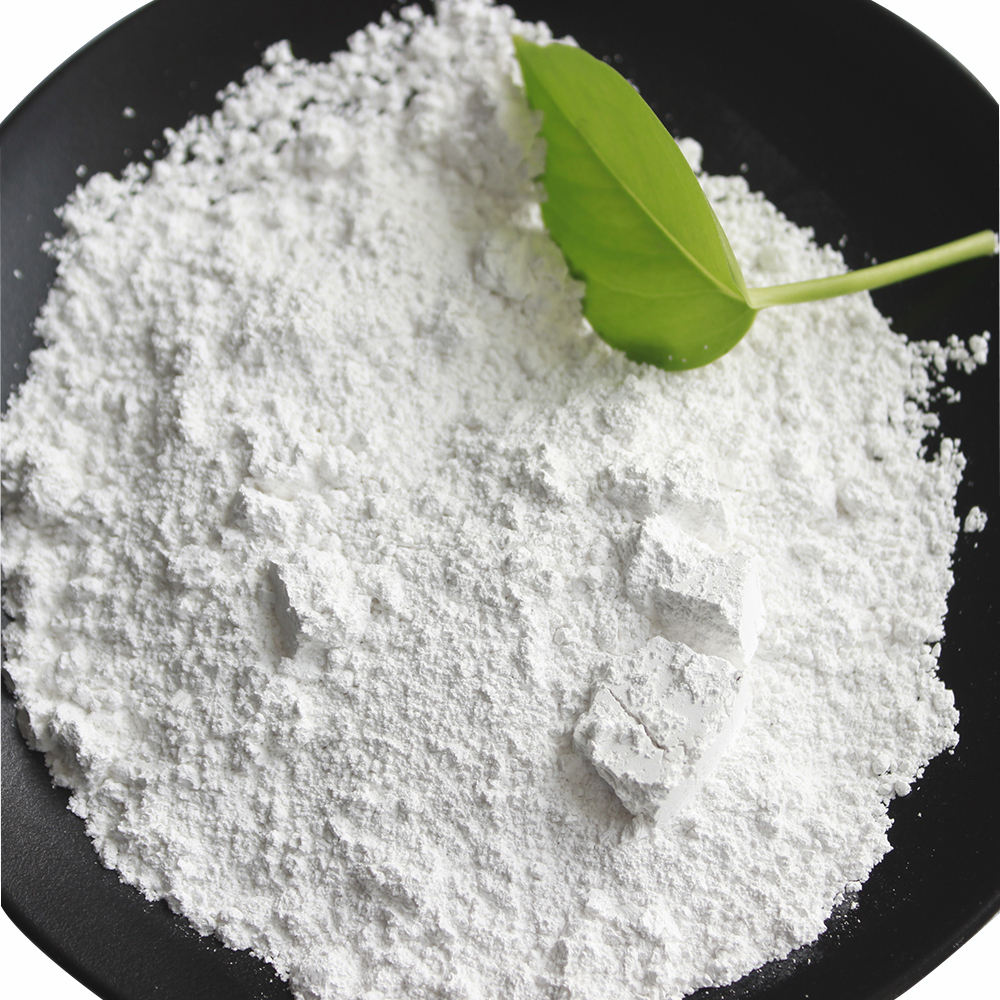
Why Bulk Calcium Carbonate Powder Is Essential for Paint and Plastic Formulators
Bulk calcium carbonate powder is a strategic raw material for paint and plastic compounders because it reduces formula cost while preserving or improving end-use performance. In coatings, controlled fine-ground grades extend titanium dioxide, improving dry film opacity and scrub resistance without sacrificing color stability. In many architectural formulations, optimized calcium carbonate grades can replace 10–20% of pigment solids by weight, lowering raw material cost while maintaining hiding power. Tight particle size distribution and high brightness also reduce the risk of gloss variation and settling.
For plastic compounders, calcium carbonate powder raises stiffness, lowers shrinkage, and allows higher filler loading in polyolefin and PVC systems. Replacing virgin resin at 10–35% by weight can cut material expense significantly while still meeting dimensional and impact requirements. Because high-volume processing demands consistent moisture and particle control, bulk sourcing with technical lot verification is essential for stable melt flow and surface quality.
Optimizing Calcium Carbonate Powder Performance in Paint Systems
In paint systems, bulk calcium carbonate powder acts as a functional extender—but its value depends on particle design, surface chemistry, and consistent raw material quality. The right grade supports opacity, gloss, and long-term stability without raising formulation cost or film defects.
Particle size, mesh grade, and surface treatment effects on opacity, gloss, and dispersion stability
Median particle size (D50) and mesh grade set the baseline for optical and rheological behavior. Fine grades with a D50 from 1 to 3 microns improve opacity and smoothness because more particles scatter light evenly and fill voids between titanium dioxide (TiO₂) particles. Coarser grades, such as 325 mesh, lower raw material cost and improve scrub resistance, but oversize particles can reduce gloss and create a gritty finish.
Surface treatment changes how calcium carbonate powder interacts with resin and solvent. Stearic acid or organo-functional coatings reduce moisture pickup and improve wetting. This allows higher pigment loading without viscosity spikes and helps prevent hard settling during storage. In high-gloss paints, untreated coarse particles can protrude through the cured film and scatter light randomly. Surface-treated fine grades remain embedded and evenly spaced, supporting a smoother final film.
Dispersion stability depends on particle size distribution width and surface energy. Narrow distributions with a controlled top-cut reduce agglomeration. A stable grind measured on a Hegman gauge—typically 5 to 7—indicates acceptable dispersion. Surface treatment further prevents re-agglomeration and helps maintain color consistency across batches. Formulators should specify D50 and top-cut limits, not mesh alone, because mesh grade only reports the largest particles and not the full distribution.
Purity, moisture control, and batch consistency impact on film integrity and shelf life
Purity directly affects film integrity and color stability. High-grade calcium carbonate powder should contain at least 98% CaCO₃ with low iron, silica, and heavy metal content. Iron and manganese oxides can cause yellowing or a gray tint in white and pastel paints. Abrasive silica accelerates wear on grinding equipment and can create surface roughness. Pure grades reduce unwanted interactions with binders and pigments, preserving mechanical properties over time.
Moisture control is essential for processing and shelf life. Powder with moisture above 0.2% can form lumps, bridge in silos, and introduce microvoids in the dried film. Excess moisture may also react with moisture-sensitive additives or encourage microbial growth in water-based paint. Suppliers should report moisture by loss-on-drying and use sealed bulk packaging to protect dry flow.
Batch consistency means tight limits on D50, brightness, oil absorption, pH, and moisture. Small shifts in particle size can change viscosity, gloss, and hiding power. A consistent powder lets paint formulators use a fixed recipe without repeated corrective adjustments. Request a certificate of analysis for each lot and audit supplier process control—not only final test results. Consistent bulk calcium carbonate powder extends shelf life by reducing formulation drift and preventing unexpected defects in finished coatings.
Tailoring Calcium Carbonate Powder for Plastic Compounding Success
Selecting the right calcium carbonate powder for plastic compounding goes beyond filler loading. D50, aspect ratio, surface treatment, and batch consistency alter melt viscosity, dispersion, impact retention, and surface quality. The two parameters below show how compounders match grade to polymer.
D50, aspect ratio, and surface modification requirements for polyolefin and PVC compatibility
Median particle size (D50) is the first control point. For polyolefin masterbatch, a D50 of 2–8 µm generally disperses well and keeps melt viscosity manageable. Very fine grades can increase torque and require higher shear mixing. In rigid PVC, a D50 near 1–3 µm often improves surface smoothness and impact retention—but only when dispersion is stable. Aspect ratio is the second variable: low-aspect-ratio ground grades reduce viscosity and agglomeration, while higher-aspect-ratio precipitated grades can add stiffness but may orient under flow. Surface modification is the third lever. Stearate-coated calcium carbonate powder improves hydrophobic wetting and moisture resistance in polyethylene and polypropylene. Uncoated or lightly coated grades are typically preferred in rigid PVC, where the filler may act as an acid scavenger and must not destabilize heat-sensitive formulations.
| Parameter | Polyolefin masterbatch | Rigid PVC |
|---|---|---|
| D50 | 2–8 µm; balance dispersion and impact | 1–3 µm; prioritize surface and impact |
| Aspect ratio | Low to moderate; control viscosity | Low for gloss; moderate for stiffness |
| Surface treatment | Stearate or silane coating | Uncoated or light stearate coating |
Because these factors interact, compounders should test the grade in the actual polymer system and request D50, top cut, moisture, and coating level on each certificate of analysis.
Meeting ISO 787-9 and ASTM D1418 standards for industrial-grade calcium carbonate powder
ISO 787-9 defines the pH of an aqueous suspension of pigments and extenders. For industrial-grade calcium carbonate powder in PVC, an overly alkaline pH can accelerate dehydrochlorination, so compounders should specify a pH range and monitor batch drift. ASTM D1418 supplies nomenclature for rubber and rubber lattices; it is used in documentation for flexible PVC, TPO, and TPE compounds rather than as a filler test method. A stable pH range within ±0.3 units and complete test reports help confirm that the mineral grade will not interfere with stabilizers or processing aids.
Sourcing Reliable Bulk Calcium Carbonate Powder: Technical Consistency Over Volume Alone
Procurement teams often evaluate bulk calcium carbonate powder by price per ton, but lot-to-lot technical consistency determines real production cost. A lower-cost grade that shifts median particle size (D50) from 5 µm to 8 µm can raise viscosity, reduce opacity, or create gloss variation in paint; in PVC and polyolefin compounding, it may lower impact strength and surface finish. Reliable supply depends on measurable parameters: particle size distribution, brightness, moisture content, acid-insoluble residue, and coating level. Reputable suppliers provide certificates of analysis for every shipment, retain reference samples, and maintain stable ore sources to prevent performance drift. Before switching suppliers, formulators should run lab-scale dispersion, film, and extrusion tests. Two powders can look similar but behave very differently under shear or heat. Tight tolerances on D50 and moisture are common acceptance criteria—they translate directly into fewer line adjustments. Volume availability is only useful if the chemistry and mineralogy remain repeatable, because reformulating around variable mineral fillers costs more than any volume discount. Therefore, audit supplier quality systems, process controls, and batch traceability rather than capacity alone. This reduces reformulation risk and protects finished paint or plastic performance.
FAQ
What is bulk calcium carbonate powder used for in industries?
Bulk calcium carbonate powder is widely used in the paint and plastic industries to reduce formula costs, improve opacity, increase stiffness, lower shrinkage, and enhance filler loading capabilities without compromising performance.
What factors affect the performance of calcium carbonate in paints?
Key factors include particle size (D50), mesh grade, surface treatment, purity, moisture control, and batch consistency. These factors influence opacity, gloss, scrub resistance, and shelf life of the finished paint.
Why is particle size important in calcium carbonate powder?
Particle size affects light scattering, hiding power, viscosity, and surface smoothness. Fine grades improve opacity and smoothness, while coarse grades enhance scrub resistance and reduce material cost but may lower gloss.
What role does surface treatment play for calcium carbonate powder?
Surface treatment, such as stearic acid or organo-functional coatings, improves moisture resistance, wetting properties, and dispersion. It also prevents moisture pickup, decreases agglomeration, and ensures batch consistency in paint and plastics.
How can calcium carbonate powder reduce costs in plastics?
By replacing virgin resin with calcium carbonate powder at percentages ranging from 10–35%, significant material cost savings can be achieved without compromising dimensional or impact properties.
What are the key sourcing considerations for calcium carbonate powder?
Consistency in particle size distribution, moisture level, brightness, and technical parameters is crucial. Reliable suppliers should provide certificates of analysis, maintain stable ore sources, and adhere to strict quality controls.
Table of Contents
- Why Bulk Calcium Carbonate Powder Is Essential for Paint and Plastic Formulators
- Optimizing Calcium Carbonate Powder Performance in Paint Systems
- Tailoring Calcium Carbonate Powder for Plastic Compounding Success
- Sourcing Reliable Bulk Calcium Carbonate Powder: Technical Consistency Over Volume Alone
-
FAQ
- What is bulk calcium carbonate powder used for in industries?
- What factors affect the performance of calcium carbonate in paints?
- Why is particle size important in calcium carbonate powder?
- What role does surface treatment play for calcium carbonate powder?
- How can calcium carbonate powder reduce costs in plastics?
- What are the key sourcing considerations for calcium carbonate powder?