
 EN
EN
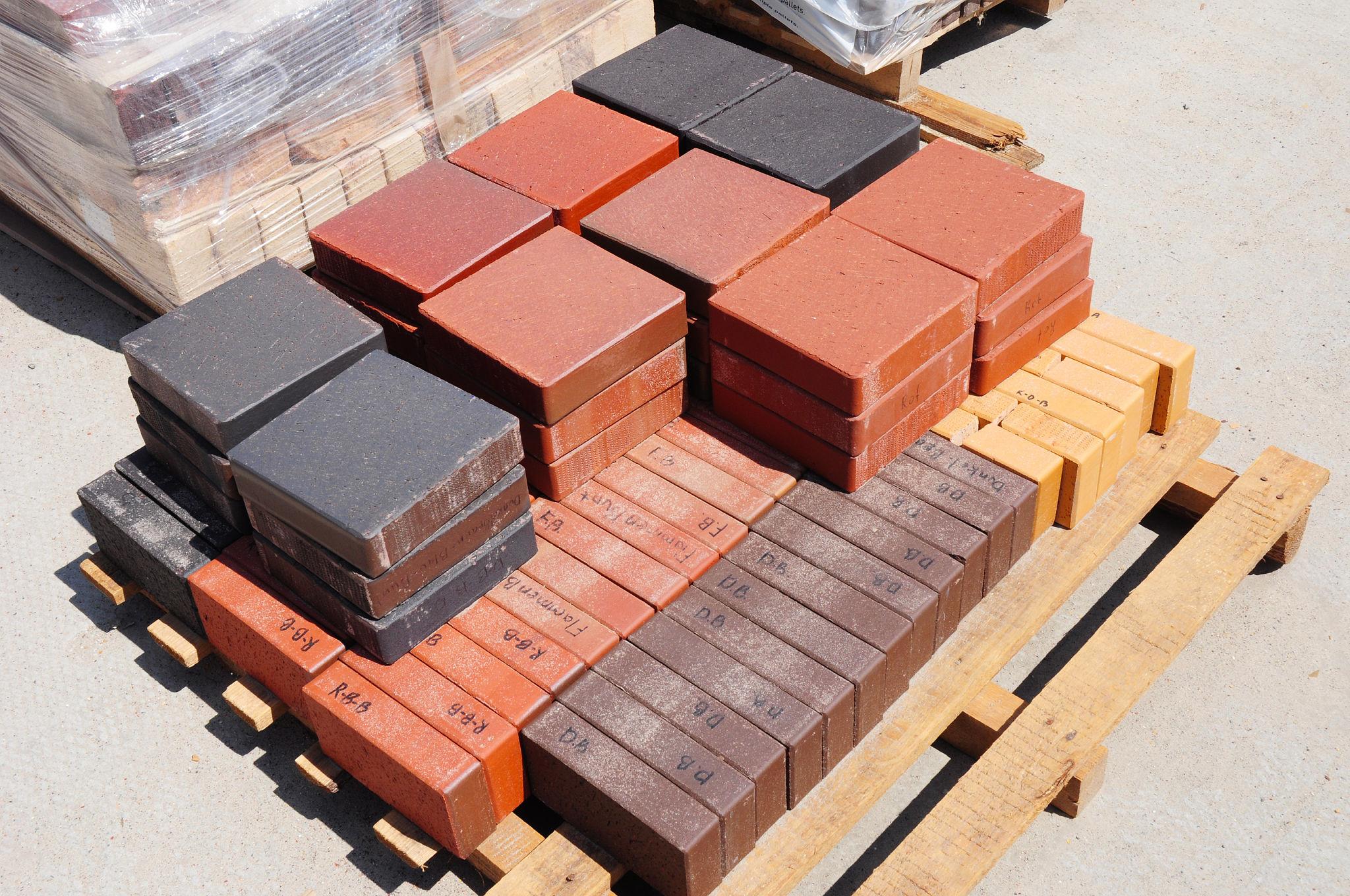
Industrial minerals play an important role in modern concrete building systems by improving strength, durability, workability, and sustainability. Materials such as limestone, ground granulated blast furnace slag (GGBS), silica minerals, and magnetite are widely used in concrete production because they can modify cement properties, optimize concrete performance, and support the development of more sustainable construction materials.
As construction projects increasingly focus on durability and lower environmental impact, selecting suitable industrial minerals has become an important part of concrete mix design. The quality, particle size, chemical composition, and consistency of these minerals directly influence the final performance of concrete structures.
How Limestone, GGBS, and Silica Minerals Improve Concrete Performance
Limestone for Workability Improvement and Lower Carbon Concrete Solutions
Limestone is one of the most commonly used industrial minerals in cement and concrete production. Finely ground limestone can be used as a supplementary component in cement systems, helping reduce the amount of clinker required during production.
Because clinker production is one of the most energy-intensive stages of cement manufacturing, incorporating limestone can help reduce the environmental impact of cement-based materials. In addition, limestone particles can improve particle packing within the cement matrix, supporting better workability and surface finish.
The performance of limestone depends on factors such as:
Mineral purity
Particle size distribution
Chemical composition
Compatibility with cement systems
High-quality limestone with stable characteristics helps concrete manufacturers achieve consistent performance across different construction applications.
GGBS for Durability and Long-Term Concrete Performance
Ground granulated blast furnace slag (GGBS) is a widely used supplementary cementitious material produced from the iron manufacturing process. Due to its latent hydraulic properties, GGBS can participate in hydration reactions and contribute to the development of a denser concrete structure.
The use of GGBS can provide several advantages:
Reduced permeability
Improved resistance to aggressive environments
Enhanced long-term strength development
Better durability in marine and industrial applications
By refining the internal pore structure of concrete, GGBS can help reduce the movement of harmful substances such as chloride ions, making it suitable for infrastructure projects that require long service life.
Silica Minerals and Silica Fume for High-Performance Concrete
Silica-based minerals are important materials for improving concrete performance. Silica fume, a highly reactive form of silica, reacts with calcium hydroxide produced during cement hydration and contributes to additional calcium silicate hydrate (C-S-H) formation.
This reaction helps create a denser microstructure and improves the interface between cement paste and aggregates.
Silica fume is commonly used in applications requiring:
High strength concrete
Low permeability concrete
Chemical resistance
Improved durability
Proper dosage and mix design are essential because excessive fine mineral additions may affect workability and water demand.
Industrial Minerals for Specialized Concrete Building Applications
Magnetite for Heavyweight and Radiation-Shielding Concrete
Magnetite is a high-density mineral widely used as heavyweight aggregate in specialized concrete applications. Its high specific gravity makes it suitable for projects requiring increased concrete density, including radiation shielding facilities, medical buildings, and industrial structures.
Compared with conventional aggregates, magnetite can significantly increase the density of concrete mixtures while maintaining structural stability when properly designed.
The selection of magnetite for concrete applications depends on:
Mineral purity
Particle size distribution
Density requirements
Project specifications
Reliable magnetite supply helps ensure consistent performance in technically demanding construction projects.
Mineral Additives for Sustainable Construction Materials
The construction industry is increasingly adopting mineral-based solutions to improve sustainability. Supplementary cementitious materials and mineral additives can reduce dependence on traditional clinker-based cement while maintaining required engineering performance.
Industrial minerals support sustainable concrete development by:
Reducing material consumption
Improving durability
Extending structural service life
Supporting lower-carbon construction strategies
The effectiveness of these materials depends on proper selection, quality control, and compatibility with the concrete system.
Quality Requirements for Industrial Minerals Used in Concrete
Consistent mineral quality is essential for concrete manufacturers and construction projects. Variations in chemical composition, moisture content, or particle size may influence concrete workability, strength development, and durability.
Professional mineral suppliers typically focus on several quality factors:
Stable chemical composition
Controlled particle size distribution
Low levels of unwanted impurities
Reliable batch consistency
Complete quality documentation
For example, limestone used in concrete applications requires appropriate purity and fineness, while GGBS performance depends on factors such as glass content, chemical composition, and processing quality.
Strict quality management helps concrete producers maintain stable production performance and meet project specifications.
Reliable Industrial Mineral Supply for Concrete Construction Projects
Beyond material performance, supply reliability is also an important consideration for construction material manufacturers. Large-scale concrete projects require consistent mineral availability, stable quality, and dependable logistics support.
A professional industrial mineral supplier can provide:
Customized particle size options
Material testing reports
Consistent production batches
Technical support for application requirements
Reliable delivery solutions
By working with experienced suppliers, concrete manufacturers can better control raw material quality and optimize their production processes.
For construction applications involving concrete additives, aggregates, and mineral powders, selecting the right industrial minerals is essential for achieving durable, efficient, and sustainable building performance.
FAQ
What are industrial minerals used for in concrete building?
Industrial minerals such as limestone, GGBS, silica minerals, and magnetite are used to improve concrete strength, durability, workability, density, and sustainability.
How does limestone improve concrete performance?
Limestone can improve particle packing and workability while reducing the amount of clinker required in cement production, helping support lower-carbon concrete solutions.
Why is GGBS used in concrete?
GGBS helps improve concrete durability by refining pore structure and reducing permeability, making it suitable for infrastructure exposed to harsh environments.
What is the role of silica minerals in concrete?
Silica minerals, especially silica fume, improve concrete microstructure by contributing to additional C-S-H formation, which can enhance strength and durability.
Why is magnetite used in concrete?
Magnetite is used as a heavyweight aggregate because of its high density, making it suitable for radiation shielding and specialized construction applications.
How should industrial minerals be selected for concrete applications?
Selection should consider mineral composition, particle size, purity, application requirements, and supplier quality consistency.