
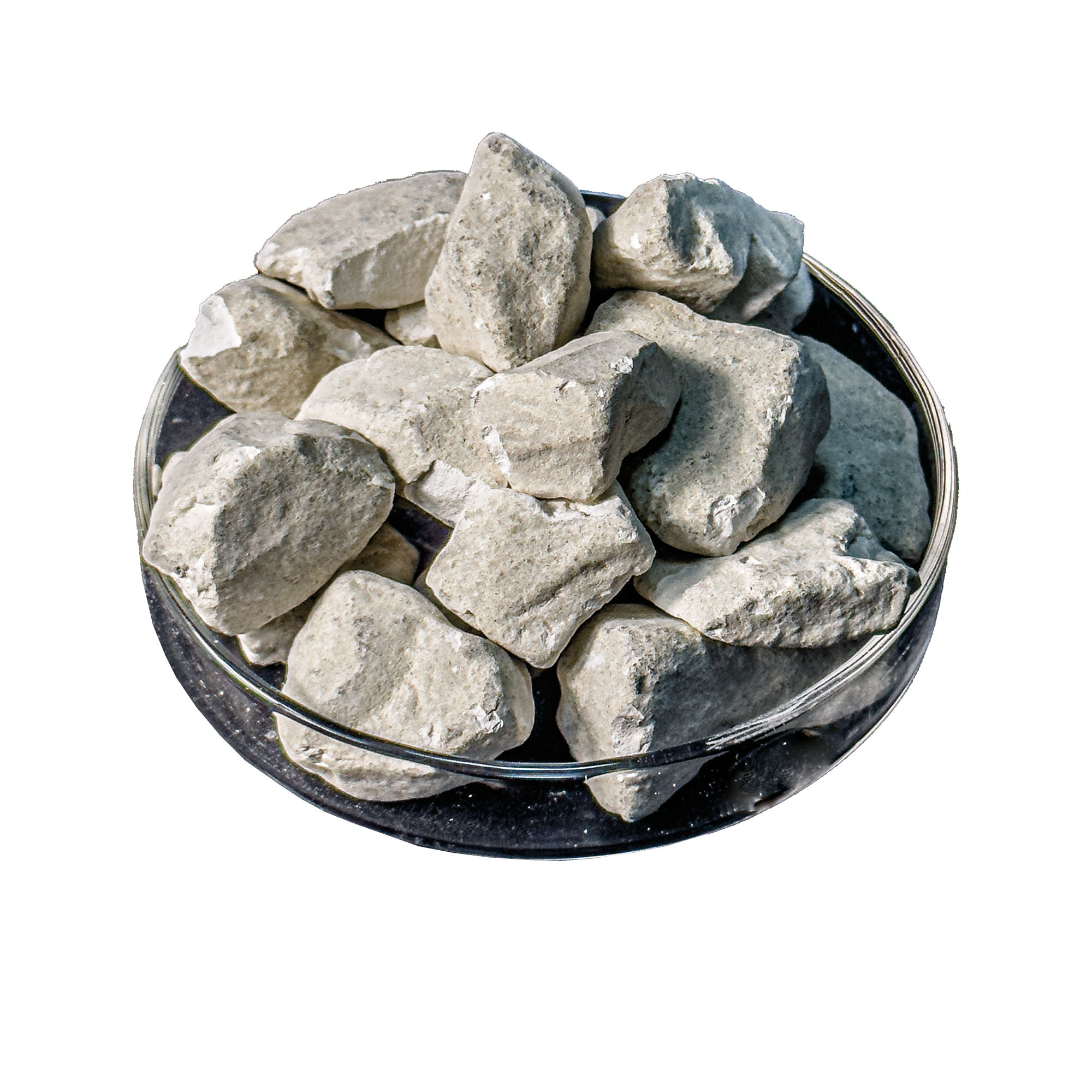
The Science Behind Quicklime in Water Treatment pH Adjustment and Pathogen Inactivation Mechanisms Quicklime (calcium oxide, CaO) is a high-strength alkaline reagent widely used in water treatment to raise pH and stabilize alkalinity. Upon contact wi...
VIEW MORE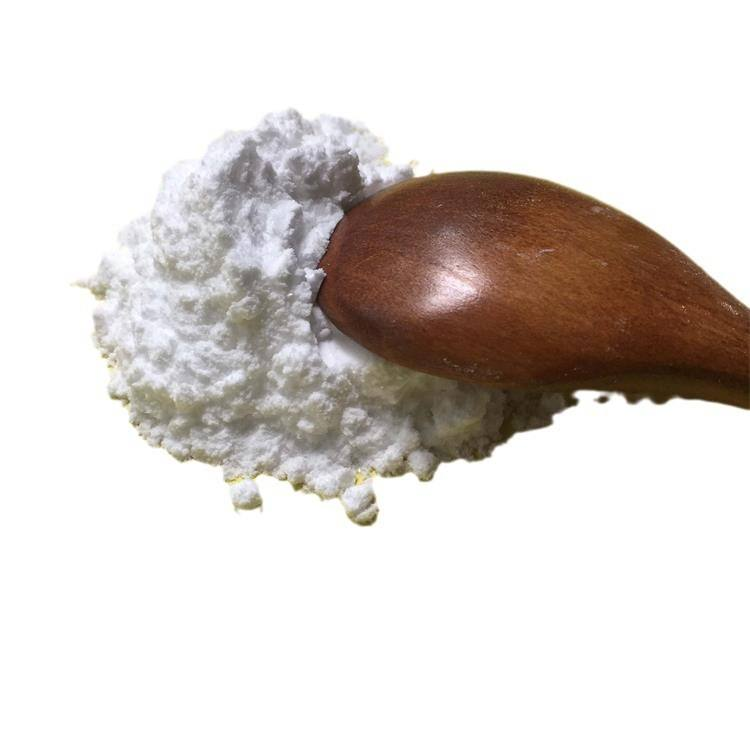
Why Calcium Carbonate Powder Is the Go-To Filler for Plastics and PaintsCost-effective performance: Balancing filler loading, mechanical properties, and processing efficiencyCalcium carbonate powder lowers formulation cost because it is significantly...
VIEW MORE
Why Bulk Calcium Carbonate Powder Is Essential for Paint and Plastic FormulatorsBulk calcium carbonate powder is a strategic raw material for paint and plastic compounders because it reduces formula cost while preserving or improving end-use performa...
VIEW MORE
Why Iron Oxide Pigments Are the Standard for Concrete Coloring Chemical Stability and UV Resistance of Fe₂O₃, Fe₃O₄, and FeOOH in Alkaline Cement Environments Iron oxide pigments dominate integral concrete coloring because their inorganic crystal...
VIEW MORE
Why Calcium Carbonate Marble Outperforms Other GCC Sources in Ceramic Bodies Reduced Drying and Firing Shrinkage Through Controlled Decomposition Marble-derived ground calcium carbonate (GCC) exhibits a uniquely narrow and predictable decarbonation...
VIEW MORE
Particle Size and Distribution: Matching Calcium Carbonate Powder to Application Demands D50/D97 Benchmarks for Plastics, Coatings, and Construction Materials Particle size plays a decisive role in how calcium carbonate powder performs in industrial...
VIEW MORE
Why Diatomaceous Earth Is Effective for Water Filtration The Unique Physical Structure of Diatomaceous Earth Diatomaceous earth (DE) functions as a highly efficient filtration medium due to its origin as fossilized diatoms—microscopic algae w...
VIEW MORE
Why Standard Diatomaceous Earth Underperforms in Industrial Filtration Standard diatomaceous earth (DE) grades introduce unnecessary risk into industrial filtration systems because their inherent physical variability defies the consistency modern m...
VIEW MORE
Iron Oxide Types and Core Properties for Construction Applications Hematite (α-Fe₂O₃), Goethite (α-FeOOH), and Magnetite (Fe₃O₄): Structural and chromatic distinctions Iron oxide pigments derive their color from distinct crystal structu...
VIEW MORE
Ultra Fine Graphite Powder Improves Lubricity Through Nanoscale Shear Mechanics Shear-Induced Exfoliation and Interlayer Sliding in Sub-Micron Graphite Applying shear stress to ultra fine graphite powder triggers a nanoscale transformation: weak va...
VIEW MORE
Why Workability Matters in Concrete Building — Beyond Slump Testing In concrete building, workability defines more than a simple slump measurement. It governs the fresh mix’s ability to flow, fill formwork, and encapsulate reinforcement...
VIEW MORE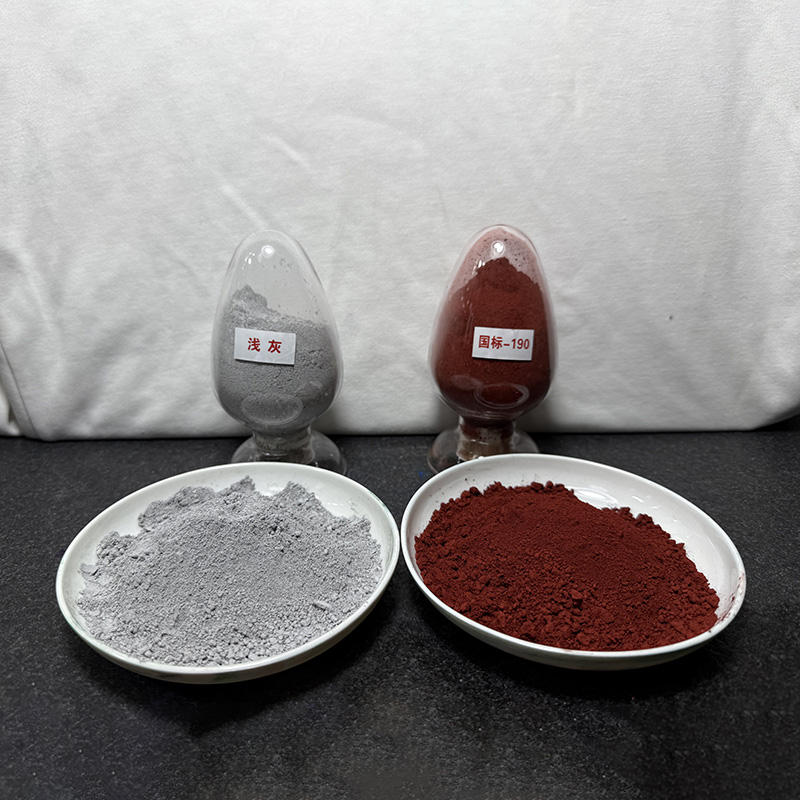
Iron Oxide Chemistry & Structure: How Phase Determines Performance in Coatings Hematite, goethite, and magnetite: Linking crystal structure to tinting strength, UV resistance, and thermal stability The performance of iron oxide pigments in coatings...
VIEW MORE
Yandong Minerals supplies bulk industrial minerals, kaolin, silica powder, and refractory materials for global ceramics, foundry, and building buyers.
Liu Zhule Village, Qingtong Town, Lingshou County, Shijiazhuang City, Hebei Province
Copyright © 2026 by Shijiazhuang Yandong Mineral Products Co., Ltd. Privacy Policy
 EN